
Picking
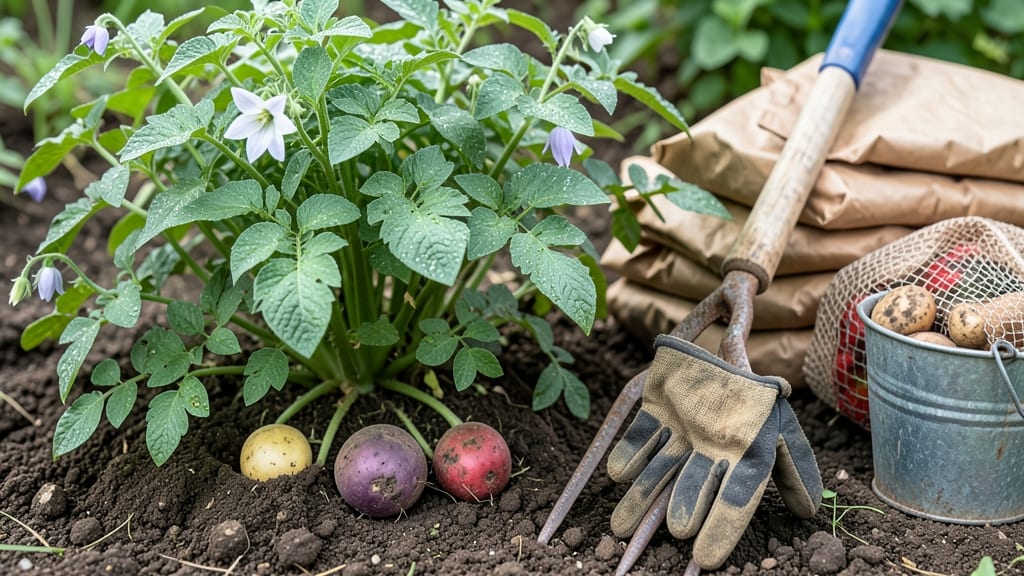
Harvesting potatoes from your garden at the right time means the difference between tender, flavorful tubers and tough, woody messes — and the key is knowing exactly when to pull them.
Digging up potatoes too early means small yields, but waiting too long risks tough, woody tubers—so how do you know the perfect moment to harvest? The finger-press test and these key signs will transform your potato harvest from guesswork to garden gold.
Most gardeners wait until the foliage yellows and dies back, but that’s just one clue. Below, I’ll show you how to check the soil, test tuber firmness, and adjust for your Potato 🥔 variety—whether it’s early, mid-season, or late—so you never miss the window.
You’ll also discover the best storage tips to keep your harvest fresh and avoid common mistakes that turn perfect potatoes into shriveled disappointments.

How to use the finger-press test for harvest timing
The finger-press test is my go-to method for determining when potatoes are perfectly ripe. Unlike guessing by days or foliage color, this tactile approach gives you instant feedback about tuber size and skin thickness.
I’ve used it for years to avoid woody tubers or underdeveloped potatoes, and it’s foolproof once you know the technique.
Start testing tubers when your potato plants have flowers that fade and the foliage begins yellowing. This usually happens around 90-120 days after planting, depending on the variety. Early varieties like 'Red Norland' may be ready sooner, while late varieties like 'Russet Burbank' need extra time.
The test itself takes just 2 minutes per plant and eliminates the guesswork.
A common mistake is testing too early, which leads to small, underdeveloped potatoes. I once harvested a batch of 'Yukon Gold' too soon because I misread the foliage signals—only to find they were watery and bland.
The finger-press test would’ve saved me that disappointment. Always test multiple tubers per plant for consistency, as some may mature faster than others.
If your potatoes pass the test but the foliage is still green, it’s safe to harvest. The plant will continue photosynthesizing for a few more weeks, but the tubers have reached their optimal flavor and texture.
For longer storage, cure the potatoes in a dark, humid space (60-70°F) for 1-2 weeks before storing in a cool, dry place.
For early varieties, like 'Early Girl,' you might harvest as soon as 50-60 days after planting, even if the foliage isn’t fully yellow. These potatoes are thin-skinned and delicate, so handle them carefully.
Late varieties, like 'Kennebec,' can wait until the foliage dies back completely—this ensures maximum starch development and storage life.
The finger-press test also helps you avoid sprouting tubers, which happen when potatoes stay in the ground too long. Sprouted potatoes develop bitter flavors and short storage lives. If you notice green shoots on the tubers themselves, harvest immediately—even if they pass the skin test.
Pro tip: Keep a harvest journal to track when your potatoes pass the test each year. Note the variety, planting date, and weather conditions. Over time, you’ll predict harvest timing with 90% accuracy without even testing.
My journal helped me adjust for shorter growing seasons in cooler climates, ensuring I never miss the sweet spot.
Remember, the finger-press test isn’t just about size—it’s about skin thickness and flavor development. Thin-skinned potatoes harvested too early will bruise easily and lack the rich, earthy taste of fully mature tubers. By mastering this test, you’ll transform your potato harvest from hit-or-miss to consistently delicious every season.
Signs of overripe vs underripe potatoes in the garden
Knowing when to harvest potatoes is all about reading your plants. Underripe potatoes are still growing and won’t store well, while overripe tubers become tough and woody. Pay attention to these key visual cues to avoid either mistake.
Start by checking the foliage color. Healthy potato plants turn yellow-brown and die back naturally when tubers are ready. If leaves are still green, your potatoes need more time in the soil.
Next, examine the tuber skin. Ready potatoes develop a thick, papery skin that resists pressure from your thumbnail. If the skin is thin or punctures easily, they’re not ready yet.
Climate plays a huge role in timing. In cool, short seasons, harvest early varieties when foliage yellows, even if tubers aren’t fully sized. In warm, long seasons, wait until tubers reach 2-3 inches in diameter.
| Sign | Underripe Potatoes | Perfectly Ripe Potatoes | Overripe Potatoes |
|---|---|---|---|
| Foliage | Green leaves | Yellow-brown, dying back | Completely dead or moldy |
| Tuber Size | Under 1 inch | 2-3 inches | Over 4 inches (shriveled) |
| Skin Texture | Thin, punctures easily | Thick, firm, resists pressure | Leathery or cracked |
| Stem End | Green | Yellow-brown | Sprouting or rotting |
One of the biggest mistakes is harvesting when tubers are still green on the stem end. This indicates they’ve been exposed to light, making them toxic if eaten. Always dig in morning sunlight and cover tubers immediately to prevent greening.
For long-storage varieties, wait until most foliage has died back completely. For new potatoes, harvest when tubers are small but skin is firm—just a few weeks after planting. Adjust your timing based on your local frost dates and variety.
Remember: Perfect potatoes balance size, skin thickness, and foliage readiness. When all three align, you’ve hit the sweet spot for flavor and storage potential. Happy digging!