
How To
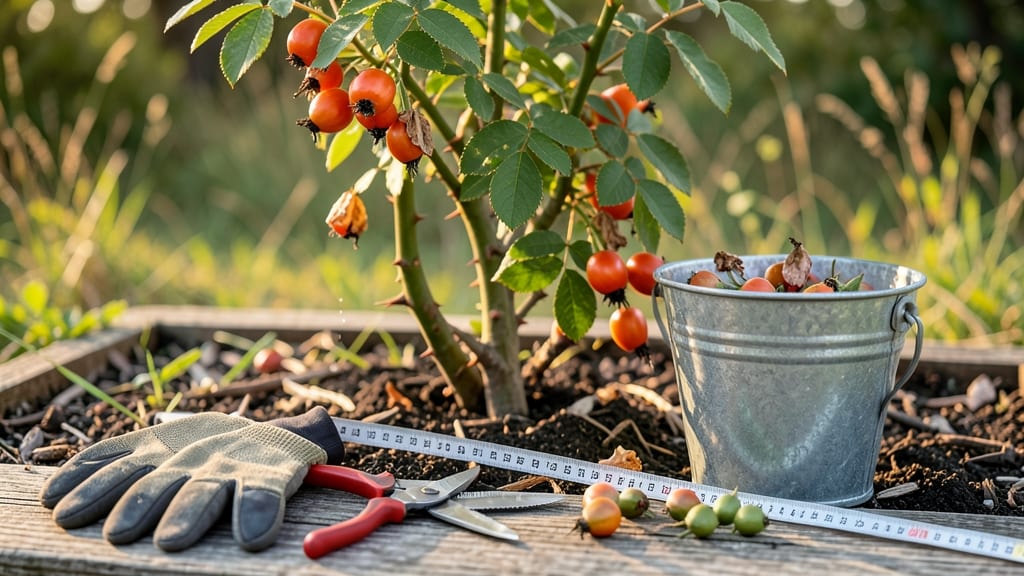
Harvest rose hips 🌹 when they turn deep red or orange and feel firm but slightly soft—usually between September and November—to lock in their peak vitamin C and flavor.
Did you know these bright fruits pack five times more vitamin C than oranges? But timing matters: pick too early, and you’ll end up with bitter, mealy hips that waste your effort. Too late, and they’ll shrivel into nothing.
Here’s the secret: three simple tests—color, firmness, and seed development—will tell you exactly when to harvest for the best results, whether you’re making tea, jam, or supplements.
From USDA Zone 6a to warmer climates, I’ll break down the best times of year, regional tweaks, and how to store your harvest so it stays fresh and potent all winter.

3 Color-shape tests to harvest rose hips at peak vitamin C
Harvesting rose hips at the perfect moment transforms them from ordinary garden debris into a nutritional powerhouse. The key lies in three simple yet science-backed tests: color transformation, firmness, and seed development.
Each test reveals whether your hips are packed with maximum vitamin C or still underripe and bitter.
First, focus on the color change—ripe rose hips shift from green to a deep red-orange hue. This isn’t just about aesthetics; it signals the peak vitamin C concentration, which can drop by 30% if harvested too early or too late.
The deeper the color, the richer the flavor and nutritional value.
Next, perform the firmness test by gently pressing a hip. A ripe hip should feel firm but slightly yielding, almost like a ripe tomato. If it’s rock-hard, it’s unripe; if it’s mushy, it’s overripe.
This texture indicates the optimal balance of sugars and acids, making it perfect for teas or jams.
Finally, check the seed development inside. Slice open a hip—ripe seeds should be plump and fully formed, not shriveled or still translucent. This internal cue ensures the hip has reached its full nutritional potential, especially for vitamin C, which is highest when seeds are mature.
Understanding these stages helps you avoid bitter, underripe hips or mealy, overripe ones. For example, hips harvested in late September in USDA Zone 6 might still be partially ripe, while those in Zone 9 could be fully ripe by mid-October.
Always prioritize the deep red-orange color—this is your best indicator of peak vitamin C.
Pro tip: Harvest on a dry morning after the first frost of the season. The frost enhances sweetness and signals the hips are ready. Gently twist them from the stem—if they resist, they’re not ripe yet. This method preserves the delicate skin, which holds most of the vitamin C.
Once harvested, store hips in a cool, dark place for up to 2 weeks before processing.
If you’re making rose hip tea, use them fresh or dried within 3 months to retain maximum vitamin C. Freezing is another great option for long-term storage, locking in nutrients for up to 6 months.
Remember, the earlier you harvest, the lower the vitamin C. But don’t wait too long—overripe hips lose flavor and become stringy or hollow. Strike the balance with these tests, and you’ll enjoy hips that are bursting with nutrition and perfect for any recipe.
Now that you’ve mastered the color-shape tests, you’re ready to transform your garden’s rose hips into a vitamin C powerhouse—whether for homemade remedies, jams, or teas. Happy harvesting! 🌹
Best time of year and climate-specific harvesting tips
Timing your rose hip harvest depends on your USDA zone and local climate. In Zones 3-5, aim for late September to October when the first frost signals ripeness. Meanwhile, gardeners in Zones 6-9 can harvest as late as November, as milder winters delay frost.
Cooler temperatures actually boost vitamin C levels, so don’t rush—wait for the right cues.
Sunlight plays a crucial role too. Roses in full sun (6+ hours daily) ripen faster than those in partial shade. If your hips are slow to color, supplement with a balanced fertilizer (10-10-10) in early summer to encourage robust growth.
But avoid late-season feeding—it can delay ripening and leave hips underdeveloped.
⚠️ callout warning
⚠️ Harvesting Too Early or Too Late
Harvesting green or partially green hips (🟢) means bitter, astringent flavors and low vitamin C. Wait until they’re deep red-orange (🟠) and plump. Leaving hips on the bush past their prime causes them to shrivel or split, losing nutrition. In Zones 7-9, a hard frost can damage hips, so harvest before temperatures drop below 32°F.
🌱 Pro Tip: Shake bushes gently over a tarp to collect fallen hips—this avoids missing any!
In Zone 3, where winters are harsh, harvest hips before the first hard frost (usually by late October). The color shift from green to orange-red is your best indicator—ignore the calendar.
For Zones 8-9, where frost is rare, hips may stay on the bush until December, but monitor for shriveling or cracking, which signals overripeness.
Temperature also affects storage life. Hips harvested in cooler climates (Zones 3-5) dry faster and retain higher vitamin C when stored properly. In warmer zones, humidity can spoil hips quickly, so prioritize drying or freezing within 24 hours of harvest.
A dehydrator or oven (140°F for 4-6 hours) works best for long-term storage.
Don’t overlook wild roses in your area—they often produce hips with even higher vitamin C than cultivated varieties. Just be sure to avoid hips from sprayed plants (like roadside roses) to prevent contamination. For organic harvests, grow your own roses or source hips from trusted, pesticide-free gardens.
Once harvested, store dried hips in airtight containers away from light. They’ll keep for up to a year if moisture-free. For fresh use, freeze hips in single layers on a tray before transferring to bags.
This preserves texture and flavor for up to 6 months, perfect for homemade syrups or winter teas.