
How To
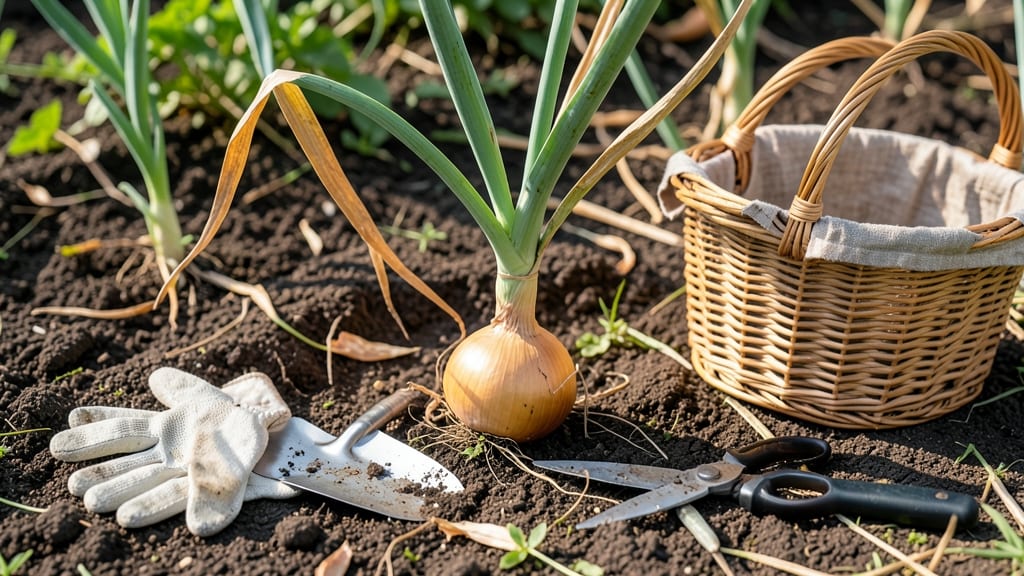
Harvesting Walla Walla onions at the right time turns their sweet, mild flavor into a garden triumph — and missing that window means tough, pungent bulbs that’ll ruin any dish.
Picture this: you’ve waited months for your 🧅 Walla Walla onions to mature, only to pull them too early or too late. The difference between perfect harvests and wasted effort comes down to three key signals: bulb size, top color, and neck tightness.
Ignore these, and you’ll end up with onions that lack the sweetness they’re famous for.
Timing isn’t just about the calendar—it’s about weather, soil, and regional climate. In USDA Zone 6a, where many gardeners grow these onions, late July to August is prime time, but heatwaves or early frosts can shift that window.
Below, I’ll break down the exact tests to use, plus how to handle post-harvest care so your onions stay fresh for months.
You’ll leave here knowing when to harvest for maximum flavor, how to spot the ideal moment, and the simple curing steps that keep those onions tasting fresh through winter. No more guesswork—just perfect, sweet bulbs ready for storage or the kitchen.

3 Exact size & color tests to harvest Walla Walla onions at peak flavor
Harvesting Walla Walla onions at the right moment transforms their flavor from mediocre to extraordinary. Unlike many vegetables, these onions don’t ripen after picking, so timing is critical.
I’ve learned the hard way—wait too long, and you’ll get tough, pungent bulbs instead of the sweet, tender gems they’re famous for. The secret lies in three simple but foolproof tests that combine size, color, and texture.
First, let’s talk about the ideal harvest window. Most gardeners in USDA Zone 6a (like me) should expect to harvest between late July and August, but this can shift by 2-4 weeks depending on your climate.
Warmer regions may harvest earlier, while cooler areas might need to wait until early September. The key is watching for these three visual and tactile cues rather than relying solely on a calendar.
📋 Here’s your quick-reference summary table for harvesting Walla Walla onions:
| Test Type | Perfect Condition | What to Do | What to Avoid |
|---|---|---|---|
| 1. Bulb Diameter | 2-3 inches wide | Harvest when bulbs reach baseball-sized | Wait if smaller than 1.5 inches |
| 2. Top Color | Yellow and flattening | Pull when tops turn straw-colored and flop | Don’t harvest if tops are still green and upright |
| 3. Bulb Firmness | Dry, papery skin | Gently squeeze—should feel firm like a tennis ball | Avoid if bulbs feel soft or spongy |
The first test focuses on bulb diameter. When Walla Walla onions reach 2-3 inches wide, that’s your sweet spot. Think of a baseball-sized bulb—any smaller, and the flavor won’t be fully developed.
I measure mine with a ruler for precision, especially if I’m growing multiple varieties. Pro tip: If your onions are in sandy soil, they might mature faster, so check their size more frequently.
Next, watch the top color like a hawk. The moment the green tops turn straw-colored and start to flop over, that’s your signal. This happens naturally as the plant redirects energy to the bulb. If you see yellowing leaves but the tops are still upright, give it another week.
Waiting too long after the tops die back can lead to bitter, tough onions, which is a heartbreaking mistake I’ve made twice.
Finally, the bulb firmness test is non-negotiable. Gently squeeze the bulb—it should feel dry and papery, almost like a lightweight tennis ball. If it’s still soft or squishy, it needs more time.
Over-mature onions (left too long in the ground) develop thick skins and lose their signature sweetness. I test firmness every 3-4 days during the harvest window to avoid missing the perfect moment.
Seasonal variations play a huge role in timing. In cooler climates (like mine in Zone 6a), onions may take 120-150 days to mature, while warmer areas might see harvests in as few as 90 days.
If you’re in a short growing season, consider using row covers to extend the season. I’ve found that onions grown in partial shade during hot summers develop better flavor and mature more evenly.
One common question I get is whether to harvest in the morning or afternoon. Always go for morning harvests—the bulbs are cooler and firmer, making them easier to handle. Afternoon heat can cause stress, leading to premature softening.
I also avoid harvesting after heavy rain, as wet bulbs are prone to rot during curing. If rain is forecast, I’ll harvest early and let them dry indoors before curing.
Remember, these onions are not like store-bought varieties. They won’t keep improving after picking, so don’t delay. Once you’ve confirmed all three tests—size, color, and firmness—it’s time to grab your garden shears and harvest.
The sooner you get them cured and stored, the longer you’ll enjoy that sweet, oniony magic all winter long. 🧅
Common harvesting mistakes that ruin Walla Walla onions (and how to avoid them)
Harvesting Walla Walla onions at the wrong time can turn their signature sweetness into disappointment. One of the biggest mistakes is waiting too long—when bulbs become over-mature, they develop tough, pungent layers instead of the tender, mild texture you crave.
I’ve seen gardeners pull onions too early too, resulting in small, underdeveloped bulbs that lack flavor and storage potential.
The problem isn’t just about timing—it’s also about environmental factors. Heavy rain before harvest can cause rot, while extreme heat can accelerate maturity, leaving you with onions that spoil faster. Even the way you handle them after pulling can ruin their quality if you don’t follow proper post-harvest care.
Let’s tackle the most common mistakes head-on, so you can avoid them and enjoy perfect Walla Walla onions every season.
⚠️ Harvesting Too Early or Too Late
Pulling Walla Walla onions before they’re ready (bulbs under 2 inches) means small, weak storage life. Waiting too long (bulbs over 3 inches) leads to tough, pungent flavors and poor shelf stability.
Fix: Check for yellowing tops and firm bulbs—these are your green lights!
Another frequent error is harvesting during wet weather. Onions pulled when the soil is damp are prone to mold and rot. If you must harvest in rainy conditions, work quickly and let the onions dry thoroughly in a shaded area before curing.
I once lost an entire batch because I rushed to harvest after a downpour—don’t let that happen to you!
Even after pulling, many gardeners make the mistake of storing onions improperly. Walla Wallas need a cool, dry, and well-ventilated space to cure properly. Storing them in damp basements or plastic bags traps moisture, leading to spoilage.
Instead, braid or weave them in small groups and hang them in a dark, dry spot with good airflow.
Finally, don’t ignore the neck tightness of your onions. A tight neck indicates maturity, while a loose or floppy neck means the onion is overripe. If you notice the neck starting to loosen, harvest immediately—this is your last chance for a quality bulb.
Paying attention to these details will ensure your Walla Wallas stay sweet and crisp for months.
With these tips, you’ll avoid the most common pitfalls and enjoy Walla Walla onions at their peak—ready for storage or the kitchen. Happy harvesting! 🧅