
How To
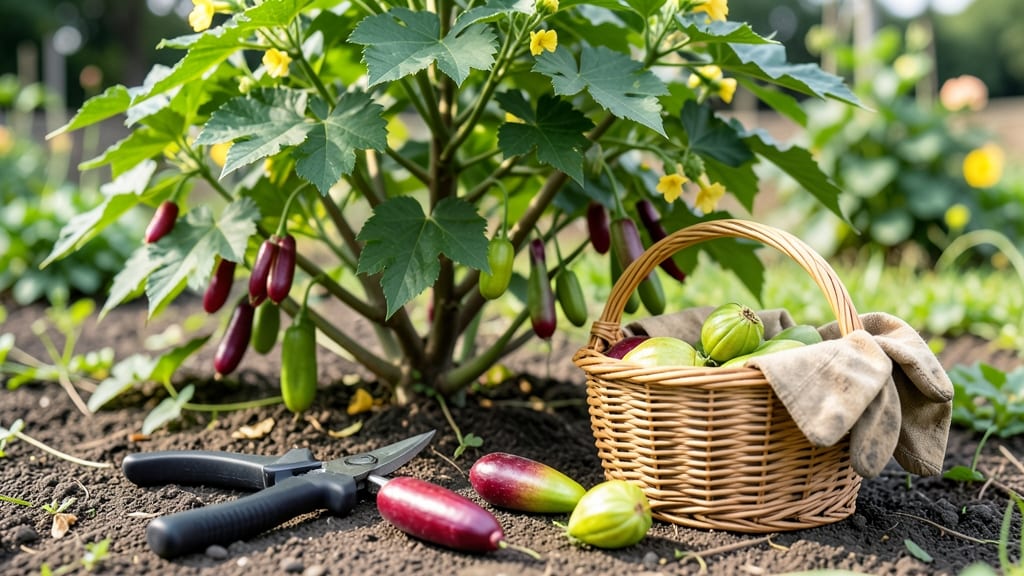
Harvesting roselle calyx at the right time ensures tart, crisp flavors that make hibiscus tea shine—so timing by color is everything.
Picture this: you’ve waited months for your 🌺 roselle to bloom, only to pick a calyx that’s either bland or too bitter. The difference between a perfect harvest and a disappointment comes down to three key color stages, each signaling a shift in flavor and texture.
In USDA Zone 6a, your best window runs from late August through October, but don’t wait until the first frost. A calyx that’s fully opened with deep red or purple hues is prime—3-4 inches long and still firm to the touch.
Miss this stage, and you risk overripe calyces that turn woody or lose their vibrant tartness.
Below, I’ll walk you through how to test ripeness without guesswork, the best cutting techniques to preserve flavor, and simple storage tricks to keep your harvest fresh for months.

3 Key color stages for harvesting roselle calyx at peak flavor
Harvesting roselle calyx at the right color stage transforms your garden bounty from good to extraordinary. The tartness and texture of your hibiscus tea or culinary dishes hinge entirely on when you snip those vibrant blooms.
I’ve learned the hard way—overripe calyces turn mushy, while underripe ones lack that signature tang. Let’s break down the three critical color stages and how each affects flavor and use.
First, understand that roselle calyx don’t ripen all at once. They progress through green, pink, and finally deep red stages, each offering unique qualities. The green stage is all about potential, the pink stage delivers balance, and the red stage unlocks peak tartness.
Missing this progression means missing out on the full spectrum of flavors your roselle can provide—from mild and crisp to bold and tangy.
| Stage | Color | Size | Tartness | Texture | Best For |
|---|---|---|---|---|---|
| Green | 🟢 Bright green | 2-3 inches | Mild, slightly sweet | Crisp, firm | Cooking, fresh salads |
| Pink | 🟡 Light pink | 3-4 inches | Balanced tart-sweet | Semi-crisp, tender | Tea blends, jams |
| Red | 🔴 Deep red/purple | 3.5-4.5 inches | Intense, tangy | Soft, juicy | Drying, strong tea |
The green stage is where roselle calyx are still immature but packed with potential. At this point, they measure about 2-3 inches and have a bright green hue. Their flavor is mildly sweet with just a hint of tartness, making them perfect for raw applications like salads or quick-cooked dishes.
I’ve used green calyces in stir-fries where their crisp texture holds up beautifully. However, they lack the depth needed for traditional hibiscus tea.
As the calyx transitions to pink, you’ll notice a 3-4 inch length and a soft light pink color. This is the sweet spot for many gardeners because it offers a balanced tart-sweet flavor. The texture becomes semi-crisp yet tender, ideal for tea blends or fruit preserves.
I’ve found that harvesting at this stage gives you the most versatility—perfect for both cooking and brewing. If you’re making roselle jelly, this is the stage to aim for.
When the calyx reaches deep red or purple, it’s time to harvest for peak tartness. These 3.5-4.5 inch calyces are the stars of strong hibiscus tea and drying projects. Their intense tangy flavor dominates, and the texture softens to a juicy consistency.
I dry these in the sun for hibiscus tea bags, and the flavor is unmatched. However, be cautious—overripe calyces turn brown and lose their vibrant color, signaling they’ve passed their prime and may become mushy or bitter.
Timing your harvest isn’t just about color—it’s also about weather conditions. Harvest on dry mornings after any overnight dew has evaporated. This prevents mold growth and ensures your calyces stay fresh longer.
I always harvest with a pair of clean pruning shears, cutting just above a leaf node to encourage more growth. Store harvested calyces in a paper bag in the fridge for up to 5 days if you’re not using them immediately.
Pro tip: If you’re unsure about the tartness level, try a small taste test. A ripe red calyx should make your mouth pucker slightly—this is the perfect tartness for tea.
Underripe ones taste bland, while overripe ones can be too acidic. Balance is key, and the pink stage often gives the most harmonious flavor for everyday use.
Don’t let your roselle go to waste! Whether you’re growing for tea, cooking, or preserving, knowing these three color stages will elevate your harvest every time. Start experimenting with each stage—you might discover your favorite use for each. Happy harvesting! 🌺
How to test roselle tartness before harvesting (no guesswork)
Timing your roselle harvest by color alone can be tricky—especially when the calyx shifts from pink to deep red. That’s why I rely on three simple tests to confirm tartness and texture before cutting.
The squeeze test reveals crispness, the stem snap checks maturity, and a quick taste sample (yes, really!) ensures peak flavor. Skip these, and you risk harvesting calyces that are either too bitter or mushy.
Start with the squeeze test: gently press the calyx between your thumb and forefinger. A ripe roselle should feel firm but slightly yielding, like a ripe avocado. If it’s rock-hard, it’s underripe; if it squishes easily, it’s past its prime.
This test works best in the morning when the calyx is hydrated from overnight dew. I’ve found that 3-4 inch calyces with a deep red hue pass this test reliably.
Next, perform the stem snap test—a foolproof way to check maturity without damaging the plant. Pinch the stem about 1 inch below the calyx and twist gently. A ripe calyx will detach cleanly with a slight crack, while an unripe one will resist or tear.
This method also helps identify overripe calyces, which often snap too easily and may have a woody texture. I use this test daily during my harvest window to avoid missing the perfect moment.
The final step is the taste test, which might sound obvious, but it’s the only way to confirm tartness. Snip a small piece of the calyx (about 1/4 inch) and taste it raw.
A perfectly ripe roselle should taste tart with a slight sweetness, almost like a mix of cranberry and citrus. If it’s bland, it’s underripe; if it’s overly sour or bitter, it’s overripe. I’ve trained my palate to recognize this balance, and it’s saved me from wasting entire harvests!
For large-scale harvesting, I recommend testing 3-5 calyces from different plants to account for variability. Roselle plants can have uneven ripening, so don’t assume all calyces on one bush are ready at the same time.
Keep a small notebook nearby to track which plants yield the tartest calyces—this helps you prioritize them in future harvests. Consistency is key, especially if you’re growing roselle for commercial tea production.
Once you’ve confirmed ripeness, harvest with clean pruners or sharp scissors, cutting the stem about 1 inch below the calyx. This prevents rot and makes storage easier.
Store harvested calyces in a paper bag in the fridge for up to a week, or dry them in a well-ventilated area for long-term use. Proper handling after harvest ensures your hard work pays off with flavorful results every time.