
How To
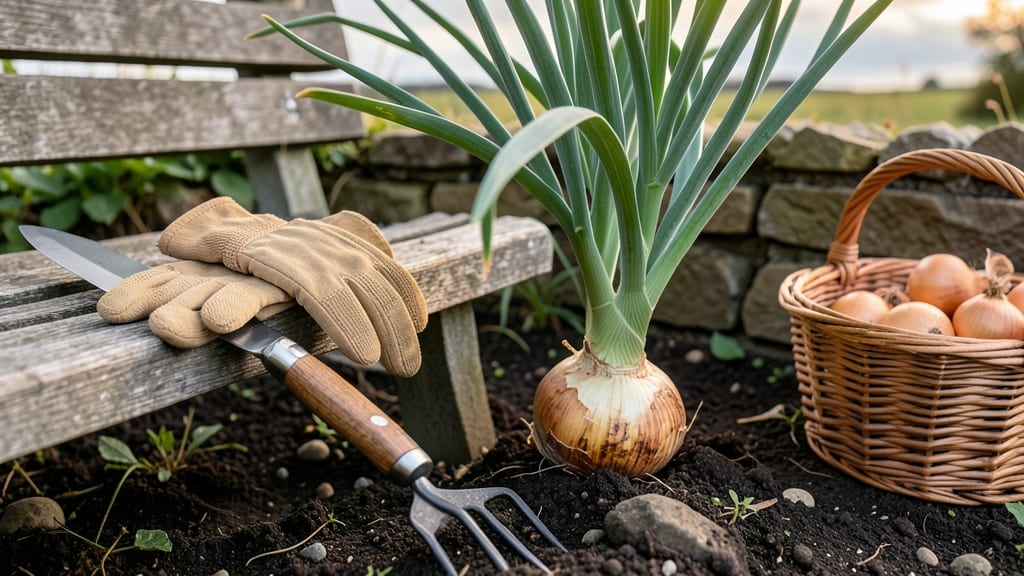
Harvest yellow onions when their tops yellow and fall over, but bulbs are still firm and 1–2 inches in diameter—this is the sweet spot for flavor and storage.
Picture this: you’ve nurtured your 🧅 for months, only to dig them up too early and find small, pungent bulbs—or wait too long and end up with tough, bitter ones. The difference between a disappointing harvest and a pantry-worthy stash often comes down to timing.
In most regions, including USDA Zone 6a, the ideal harvest window is late summer to early fall, when temperatures dip slightly and the tops begin to dry.
But how do you know for sure? We’ll break down the 3 key signs your onions are ready, plus how to test maturity without guessing.
Whether you’re growing for fresh eating or long-term storage, mastering these cues will save you from wasted effort—and ensure your harvest is as tender and sweet as possible.


3 Visual signs your yellow onions are ready for harvesting
Knowing when to harvest yellow onions can mean the difference between sweet, tender bulbs and tough, pungent disappointments. The key lies in watching for three visual cues that signal peak ripeness.
Miss these signs, and you might end up with onions that store poorly or lack flavor. Let’s break down what to look for in your garden.
First, pay attention to the leaf color. Mature yellow onion tops transition from vibrant green to a golden-yellow hue. This color change indicates the plant is redirecting energy from leaf growth to bulb development.
If you see even a few stems turning yellow, it’s time to start monitoring closely. Ignoring this sign often leads to overripe onions that split or rot.
The bulb size is another critical indicator. When ready for harvest, your yellow onion bulbs should measure about 2–3 inches in diameter. You can check this by gently brushing away the soil near the base of the plant.
Smaller bulbs won’t store well, while larger ones may have already passed their prime. Aim for that sweet spot where the bulb is firm but not rock-hard.
Finally, watch for neck shrinkage between the bulb and the leaves. As the onion matures, this area will begin to dry out and tighten. This natural process is your body’s way of telling you the bulb is ready to be pulled from the soil.
If the neck feels soft or mushy, you’ve waited too long, and the bulb may spoil quickly.
Harvesting at the right time isn’t just about flavor—it’s also about storage potential. Onions harvested too early won’t cure properly and may spoil within weeks. On the other hand, leaving them in the ground too long turns them bitter and prone to disease.
Aim to dig your yellow onions when the tops are yellow but still upright. This timing ensures the bulbs are firm and ready for curing.
If you’re unsure whether your onions are ready, perform a simple soil check. Gently dig around one bulb to expose it. If the skin is dry and papery, and the bulb feels firm, it’s time to harvest.
If the soil is still moist and the bulb feels soft, wait a few more days. This hands-on approach removes the guesswork and helps you avoid common harvesting mistakes.
Regional differences can also affect harvest timing. In cooler climates, onions may mature earlier, while warmer climates can delay ripening. Pay attention to your local frost dates and adjust accordingly.
For example, in Zone 5, you might harvest as early as late July, while Zone 9 gardeners could wait until September. Always prioritize visual cues over calendar dates.
Once you’ve identified the right moment, act quickly to harvest and cure your onions. Use a fork to loosen the soil around the bulb before pulling gently to avoid damaging the skin. After harvesting, let the onions dry in a well-ventilated area for 1–2 weeks.
Proper curing extends their shelf life and enhances their sweetness. Skipping this step leads to moldy, shriveled onions that won’t last.
Mastering these visual signs ensures your yellow onions are harvested at their peak. With practice, you’ll develop an eye for spotting the perfect moment—transforming your garden into a flavorful harvest every season. Happy digging! 🧅
How to test yellow onion maturity: the flop test and soil check
Harvesting yellow onions at the right time ensures sweet, tender bulbs instead of tough, pungent ones. The flop test and soil checks are my go-to methods for pinpointing perfection.
These simple techniques save you from guessing—because nobody wants to dig up onions too early (tiny bulbs) or too late (bitter, split messes). Let’s break down how to use them like a pro.
First, understand that yellow onions mature in 100–150 days, but exact timing depends on your climate. Cooler regions (like USDA Zone 6a) may need longer, while warmer areas can harvest earlier.
The key is watching for visual cues and testing maturity before committing to a full harvest. Here’s how to do it right.
Gently push a healthy onion plant sideways. If the top flops over and stays down, the bulb is ready. This happens when the neck dries out and the bulb reaches full size.
Dig up a test bulb to confirm it’s 2–3 inches wide. If it’s smaller, wait 1–2 weeks. If it’s larger but firm, harvest immediately—overripe onions split easily.
Mature onions develop dry, papery outer layers. If the skin is still thin and moist, the bulb isn’t ready. A dry, slightly rough texture means it’s time to harvest.
Dig a 1-inch-deep trench around the plant. If the soil is dry but not bone-dry, it’s ideal for harvest. Overly wet soil can cause rot, while bone-dry soil stresses the plant.
For fresh eating, harvest when bulbs are firm and tops are yellow but not fully flopped. For long-term storage, wait until 70% of tops flop and bulbs are fully dry.
Timing matters for flavor too. Onions harvested for fresh use should have green tops still attached—this keeps them crisp. For storage, let them cure in the sun for 3–5 days to toughen the skin.
Pro tip: Harvest on a dry, sunny day to speed up curing and prevent rot.
If you miss the window, don’t panic. Onions left too long in the ground may split or rot, but you can still salvage them by digging carefully and using them fresh immediately.
The flop test and soil check give you a foolproof way to avoid this—so trust your eyes and your hands!
🌱