
How To
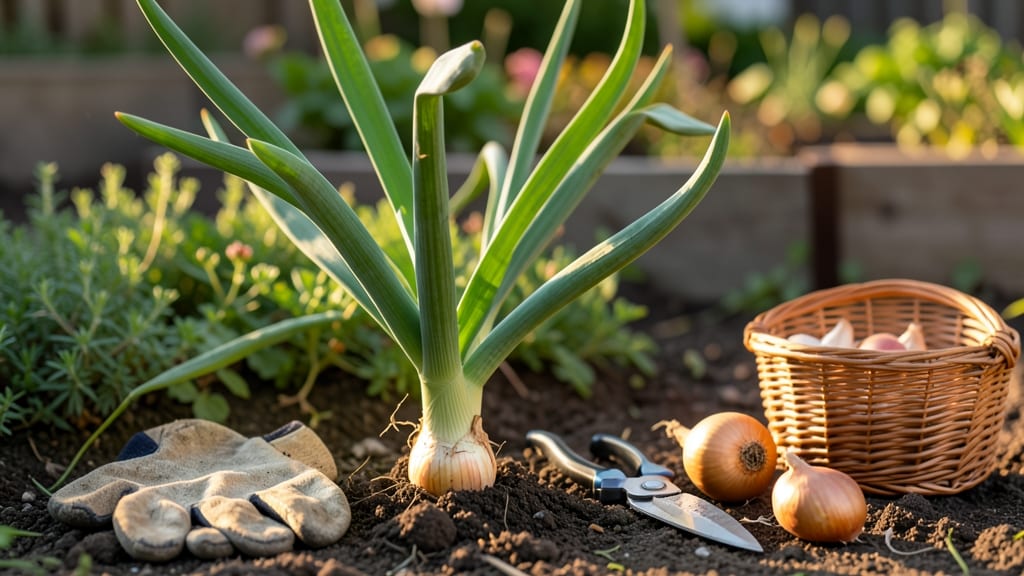
Decide it's time to harvest onion bulbs when you notice the tops are yellowing and flopping over like a tired gardener after a long day, while the bulbs feel firm when gently squeezed—that’s your cue! But miss this window, and you risk onions that split or rot in storage.
In Zone 6a, most varieties reach peak harvest between late June and early July, but weather plays a role—cool, dry days are ideal. Below, I’ll walk you through the visual clues, weather tips, and post-harvest care to keep your onions fresh all season.
You’ll learn how to check for the perfect dry neck and loosened shoulders, plus what to do if you harvest too early or too late. No more guesswork—just delicious, garden-fresh onions!

How to recognize when onion bulbs are ready for harvest
Harvesting onions at the right moment transforms them from bland to sweet and flavorful. The key lies in watching for three critical visual cues: the drying of the tops, the loosening of the bulb shoulders, and the firmness of the bulb itself.
Miss these signs, and you risk onions that are either too tough or too pungent. Let's break down exactly what to look for in your garden.
First, pay attention to the neck of the onion—the stem connecting the bulb to the leaves. When it's time to harvest, this neck will tighten and dry out, often turning yellow-brown.
This signal indicates the bulb has stopped growing and is ready to be pulled. Ignoring this cue can lead to bulbs that split or rot in the ground.
Next, check the shoulders of the onion bulbs. These are the areas where the bulb meets the stem. When ready for harvest, the shoulders will loosen naturally, making it easier to gently pull the bulb from the soil without damaging it.
If the shoulders are still tightly bound, the bulb needs more time in the ground.
The size of the onion bulb also plays a role. Most varieties reach harvest readiness when they're about 2 to 3 inches in diameter. However, some heirloom or larger varieties can grow bigger—up to 4 inches—before they're ready.
Always prioritize the visual cues over size alone, as larger doesn't always mean better.
Now, let's clarify these signs with a quick reference to ensure you never miss the perfect harvest window.
| Sign to Watch | What It Looks Like | Action to Take |
|---|---|---|
| Drying Neck | Yellow-brown, tight, and papery | Harvest within 1-2 days |
| Loosened Shoulders | Bulb separates easily from stem | Gently pull bulb from soil |
| Firm Bulb | Solid, dry skin, resists peeling | Cure in dry, shaded area |
| Bulb Size | 2-4 inches in diameter | Check for other cues first |
| Falling Tops | Leaves turn yellow and flop over | Harvest immediately |
One common mistake is waiting until the leaves turn completely brown and crispy. While this might seem like a clear sign, it often means the bulbs have overmatured, leading to a loss of flavor and increased risk of splitting.
The ideal time is just before the leaves fully dry out—when they're still slightly green but starting to yellow.
Regional differences can also affect harvest timing. In warmer climates, onions may mature faster and require harvesting earlier in the season, while cooler regions might see a delayed harvest. Always adjust your expectations based on your local growing conditions and the specific onion variety you're cultivating.
Another tip is to harvest in the morning when the soil is moist but not soggy. This reduces stress on the bulbs and makes them easier to pull from the ground.
After harvesting, avoid washing the onions immediately—let them cure for 1-2 weeks in a dry, shaded area to develop their full flavor and storage potential.
If you're growing short-day onions, which are common in home gardens, they typically mature in 90 to 120 days. Long-day onions, often used for storage, take longer—up to 150 days.
Keep track of your planting date and cross-reference it with the visual cues to avoid missing the harvest window.
Finally, resist the urge to harvest based on size alone. Some varieties, like red onions, stay smaller but are perfectly flavorful when their tops start drying.
Others, like yellow storage onions, need to reach a larger size. Always prioritize the visual and tactile cues over assumptions about size or variety.
By mastering these visual cues and avoiding common mistakes, you'll consistently harvest onions at their peak—ready to store, cook, or enjoy fresh from the garden. 🧅
Step-by-step guide to harvesting onion bulbs properly
Once you’ve spotted the perfect harvest signs—like yellowing, flopped tops and dry necks—it’s time to dig in. Proper harvesting ensures long storage life and peak flavor.
Whether you’re growing yellow onions, red onions, or white onions, the process is similar but requires attention to detail for each variety’s unique needs.
Start by gathering your harvesting tools: a garden fork, pruners, and a basket for collecting bulbs. Work on a dry, sunny day to prevent disease and speed up curing. Avoid harvesting after rain, as damp bulbs are prone to rot and fungal issues during storage.
How to Know It’s Time to Harvest Onion Bulbs
- 🟡 Tops turn yellow-brown and flop over naturally
- ✂️ Neck tightens and feels dry to the touch
- 🤲 Bulbs loosen easily when gently pulled
- 🌱 Skin resists peeling—a sign of maturity
- ⏰ Timing varies: late summer for most, early fall for storage varieties
Use a garden fork to gently loosen the soil around the onion bulbs, working the fork in a circular motion about 6 inches away from the plant. This prevents damaging the bulbs while lifting them from the soil. For shallow-rooted varieties, a hand trowel works just as well.
Once lifted, trim the tops to about 1 inch above the bulb using clean pruners. This reduces moisture loss during curing and prevents the tops from drawing nutrients away. For green onions or scallions, harvest the entire plant and use the greens immediately or store separately.
Lay the harvested onions in a single layer on a dry, shaded surface—like a wire mesh rack or clean wooden pallet—to cure for 2-3 weeks. Ensure good air circulation to prevent rot and mold. Avoid direct sunlight, which can cause sunburn on the bulbs.
After curing, brush off excess dirt and trim any remaining roots. Store onions in a cool, dry place with good ventilation, like a mesh bag or cardboard box.
For long-term storage, keep them in a dark pantry where temperatures stay between 40-50°F to maintain freshness for 6-8 months.