
Vegetables
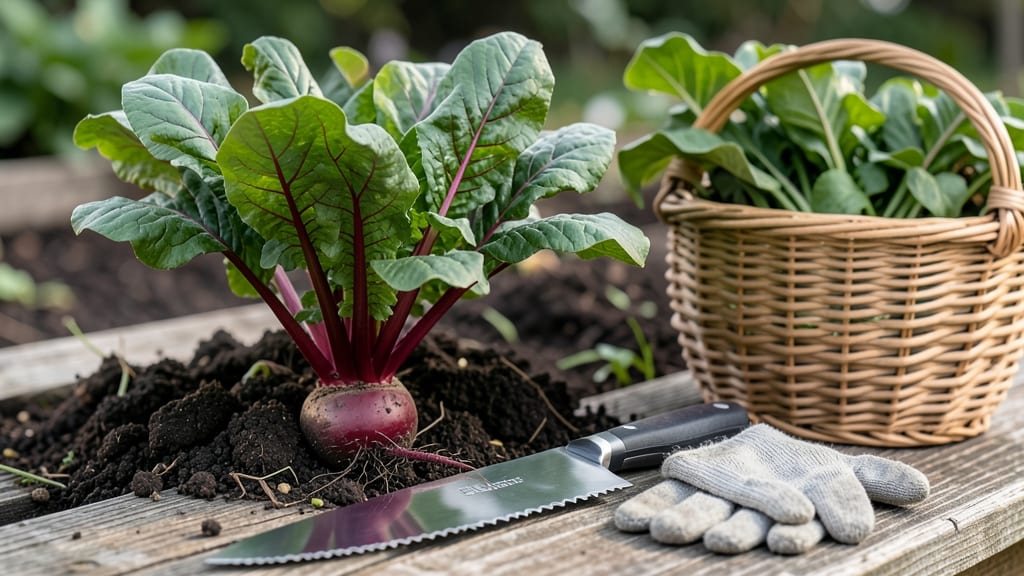
Harvesting beet greens at the right time boosts flavor and keeps your 🥬 plants productive for months.
Picture this: You’ve nurtured your beet greens for weeks, watching them grow from tiny sprouts to lush, dark leaves—only to wonder if you’re cutting them too soon or too late.
The truth? A little timing goes a long way, and getting it right means more harvests, sweeter greens, and a root that’s still good to eat later.
Most gardeners grab the outer leaves when they’re big enough to eat, but that’s just the start. The real magic happens when you learn how to trim them without shocking the plant, so it keeps producing tender new growth.
Skip the guesswork and you’ll enjoy a steady supply of greens all season long.
In this guide, I’ll walk you through the best time to harvest, how to do it without damaging the plant, and even whether you can still save the beetroot afterward. Ready to turn your garden into a greens machine?

Best time to harvest beet greens for regrowth and maximum flavor
Beet greens thrive when harvested at the right moment—too early, and you miss peak flavor; too late, and the leaves turn bitter or tough. The ideal harvest window balances leaf size, tenderness, and the plant’s ability to regrow.
For most varieties, this happens when leaves reach 3–4 inches long but before they exceed 6 inches, ensuring sweetness and regrowth potential.
Seasonal timing also plays a role. In spring and fall, when temperatures are mild, beet greens develop sweeter, more tender leaves. Summer harvests may require shade cloth to prevent bolting or heat stress, which dulls flavor.
Always check for dark green, glossy leaves—a sure sign of peak flavor and harvest readiness.
Regrowth matters: Cutting too aggressively weakens the root, reducing future harvests. Aim to remove only outer leaves, leaving the younger inner leaves to continue growing. This method can yield 3–4 harvests per season from a single plant, maximizing your garden’s productivity.
To test for peak flavor, pinch a leaf between your fingers. If it feels crisp and snaps easily, it’s ready. Avoid harvesting when leaves are woody or fibrous, as this signals overmaturity.
Pro tip: Harvest in the morning after dew has dried but before the heat of the day sets in—this preserves sweetness and texture.
Regrowth flavor depends on root health. If you leave at least 3–4 inches of leaf growth after cutting, the plant will produce sweeter, more tender regrowth.
However, over-harvesting weakens the root, leading to smaller, less flavorful leaves. Balance is key: aim for 1/3 of the plant per harvest to sustain productivity.
Seasonal variations affect timing. In cool climates (USDA Zones 3–6), beet greens thrive in early spring and late fall, while warmer zones (7–10) can extend harvests into winter with row covers. Always monitor soil temperature—roots struggle below 40°F, slowing regrowth.
For maximum yield, rotate harvests between plants. If you cut all leaves from one plant, its flavor and regrowth potential decline. Instead, stagger harvests across your garden to extend the season and ensure a steady supply of tender, sweet greens.
One common mistake is harvesting only the largest leaves. While tempting, this leaves the plant vulnerable to stress and pests. Focus on outer leaves first, as they’re older and less tender, preserving the inner growth for future harvests. This method also encourages bushier, more productive plants.
Finally, watch for bolting signs—long stems and flower buds—especially in spring or summer. Bolting signals the end of the harvest window for that plant, as leaves become bitter and tough. If this happens, harvest immediately or let the plant go to seed for next year’s crop.
With the right timing, your beet greens can provide weeks of harvests, rewarding you with nutrient-rich, flavorful greens while keeping your garden productive. Happy harvesting! 🥬✂️
Step-by-step guide: how to cut beet greens for regrowth without killing the root
Harvesting beet greens the right way ensures your plants keep producing tender leaves while preserving the root for later harvest. The key is precision—cutting just enough to encourage regrowth without stressing the plant.
I’ve learned that even a small mistake in technique can lead to stunted growth or bitter-tasting leaves, so let’s get this right.
Start by selecting the outer leaves first—they’re the largest and most mature, making them ideal for harvesting. These leaves have already absorbed plenty of sunlight and nutrients, so removing them won’t starve the plant.
Leave the inner, younger leaves untouched; they’re still growing and will become your next harvest. This method keeps your beet greens thriving for weeks.
🌱 Step-by-Step Guide to Harvesting Beet Greens
-
1. Choose the Right Tools
Use a clean, sharp pair of scissors or pruning shears to avoid crushing stems. A dull knife can damage the plant and invite disease. -
2. Select Leaves to Harvest
Pick 3-4 outer leaves per plant, focusing on the largest ones. Avoid cutting more than one-third of the foliage at once to prevent stress. -
3. Cut at the Base
Hold the leaf firmly and cut it just above the stem, leaving a small stub. This prevents water from pooling and causing rot. -
4. Avoid the Center
Never cut leaves growing in the middle of the plant. These are the youngest and most critical for regrowth. -
5. Post-Harvest Care
After cutting, water the soil deeply to help the plant recover. Add a light mulch around the base to retain moisture and protect roots.
After harvesting, your beet greens will need time to recover. I’ve found that watering immediately after cutting helps the plant bounce back faster. Focus on keeping the soil consistently moist but not soggy—beet greens hate waterlogged roots.
Within 1-2 weeks, you’ll see new growth emerging from the center, ready for your next harvest.
One common mistake I see is over-harvesting too soon after the first cut. If you strip the plant bare, it won’t have enough energy to regrow. Another pitfall is using dirty or dull tools, which can introduce bacteria or tear leaves, making them less appealing.
Always sanitize your tools with rubbing alcohol before and after use.
With the right technique, you can enjoy multiple harvests from a single beet plant all season long. The first harvest might be the largest, but each subsequent cutting yields sweeter, more tender greens.
Plus, you’ll still have the root to harvest later—just leave it in the ground until the foliage yellows naturally.