
How To
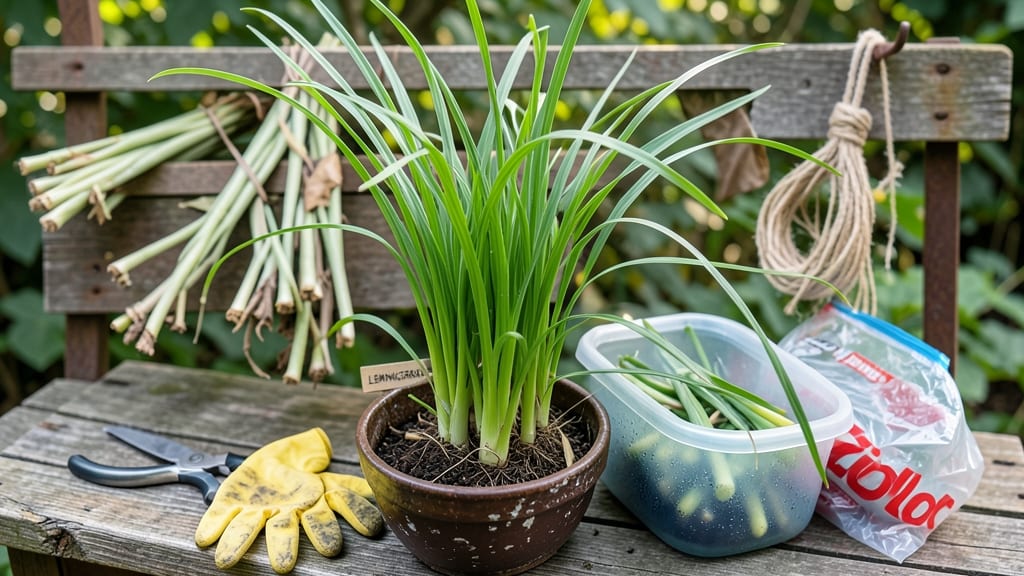
Harvesting and storing lemongrass 🌿 the right way means you’ll never waste another stalk again—whether you’re trimming for curry, freezing for winter soups, or drying for long-term use.
Picture this: you’ve just pulled a 12-inch stalk from your garden, its citrusy aroma filling the air, but you’re not sure how to keep it fresh. The key is timing—harvest when the stalks are thick and vibrant, then store them properly to lock in that bold flavor for months.
In this guide, I’ll walk you through the exact steps to harvest lemongrass at its peak, plus the best storage methods (freezing, drying, or refrigerating) to avoid waste and keep your pantry stocked with fresh-tasting stems.
You’ll also learn how to repurpose leftover stalks—no part goes unused—and spot the signs of over-harvesting before it’s too late. Ready to turn your lemongrass into a year-round kitchen essential?

When and how to harvest lemongrass for maximum regrowth
Harvesting lemongrass at the right time ensures both flavor intensity and plant regrowth. The ideal harvest window is when stalks reach 12–18 inches tall and are at least 0.5 inches in diameter.
This typically occurs 60–90 days after planting, depending on your climate and growing conditions. Waiting too long risks flowering stalks, which signal a drop in potency and quality.
Timing matters just as much as technique. In USDA Zone 6a, I harvest my lemongrass from late June through September, avoiding the first frost in October. If you live in warmer zones, you can extend harvesting into fall or even winter with proper protection.
Always prioritize morning harvests when oils are most concentrated and stems are crisp.
Before harvesting, inspect your plant for healthy signs: dark green leaves, firm stalks, and a vibrant aroma. Avoid cutting stalks that are pale, wilted, or hollow, as these indicate stress or over-maturity.
A single plant can yield multiple harvests per year if cared for properly—this is where precision trimming makes all the difference.
Here’s how to harvest lemongrass for regrowth and continuous yields:
Step-by-Step Harvesting Guide
-
Step 1: Choose Mature Stalks
Select stalks that are 12–18 inches tall and 0.5 inches thick. Avoid cutting the thinnest stalks, as they won’t regrow as robustly. -
Step 2: Use Sharp Pruners or Scissors
Cut stalks 1–2 inches above the base using clean, sharp tools. This prevents damage to the growth point and reduces disease risk. -
Step 3: Leave 3–4 Stalks for Regrowth
Never remove more than 1/3 of the plant at once. Leaving 3–4 healthy stalks ensures the plant can recover and regrow quickly. -
Step 4: Trim Leaves to 6–8 Inches
After harvesting, trim the outer leaves to 6–8 inches to encourage new shoot growth from the center. This keeps the plant compact and bushy. -
Step 5: Water and Fertilize Immediately
After trimming, water the base of the plant thoroughly and apply a light fertilizer (like 10-10-10) to support rapid regrowth. Avoid over-fertilizing, which can burn roots. -
Step 6: Monitor for New Growth
Within 2–4 weeks, you should see new shoots emerging from the center. If growth stalls, check for pests, disease, or nutrient deficiencies and adjust care accordingly.
Over-harvesting is the #1 mistake that kills lemongrass plants. If you notice yellowing leaves, stunted growth, or bare stems, you’ve likely cut too much.
A healthy plant should regrow within 3–4 weeks after proper harvesting. If it doesn’t, reduce future harvests and focus on soil health and watering.
Seasonal timing also plays a role in regrowth. In summer months, lemongrass grows aggressively with 6–8 hours of sunlight, making it ideal for frequent harvests. However, in fall or winter, growth slows, so limit harvesting to 1–2 stalks per plant to avoid stressing the plant during dormancy.
Pro tip: Label your plants with the harvest date to track regrowth cycles. This helps you plan storage needs and ensures you’re always harvesting at peak flavor. For example, if you harvest in July, you’ll likely have another ready crop by September—just in time for fall cooking!
After harvesting, store stems in a sealed container in the fridge for up to 2 weeks or freeze them whole for long-term use. But remember: the fresher the harvest, the more potent the flavor. With the right technique, your lemongrass can provide year-round harvests with minimal effort.
Best storage methods to preserve lemongrass freshness for months
Once you’ve harvested your lemongrass at the perfect 12–18 inches, preserving its bold citrusy flavor is key. The wrong storage method can turn your fragrant stalks into limp, flavorless scraps.
I’ve tested four proven techniques—freezing, drying, refrigeration, and blanching—to keep your lemongrass potent for months. The right choice depends on how soon you’ll use it and whether you prioritize convenience or shelf life.
For short-term use (1–2 weeks), refrigeration is your easiest option. Simply wrap the whole stalks in a damp paper towel, place them in a sealed plastic bag, and store them in the crisper drawer.
This mimics the humidity of a tropical climate, where lemongrass thrives. However, refrigerated lemongrass will gradually lose its aromatic oils, so it’s best for quick access rather than long-term storage.
For long-term preservation (3–6 months), freezing is the gold standard. The trick lies in prepping the stalks properly: trim the roots and tough lower leaves, then slice into 2-inch pieces.
You can freeze them raw or blanched—blanching (dipping in boiling water for 2 minutes, then ice bath) locks in flavor but adds a step. Store in airtight containers or heavy-duty freezer bags, squeezing out excess air to prevent freezer burn.
Lemongrass Storage Methods: Pros & Cons
- ✅ Preserves flavor for 6+ months
- ✅ Easy to chop directly from frozen
- ✅ No prep time for cooking
- ❌ Requires blanching for best results
- ❌ Takes up freezer space
- ✅ No blanching needed
- ✅ Works for 3–4 months
- ✅ Simple one-step process
- ❌ Flavor fades faster than blanched
- ❌ Risk of freezer burn if not sealed
- ✅ Longest shelf life (1+ year)
- ✅ Compact pantry storage
- ✅ Great for tea or broths
- ❌ Less potent flavor than fresh
- ❌ Requires drying time (3–7 days)
- ❌ Not ideal for whole stalks
- ✅ Quick access for short-term use
- ✅ No prep required
- ✅ Retains some freshness for 2 weeks
- ❌ Flavor degrades over time
- ❌ Limited shelf life (1–2 weeks max)
- ❌ Risk of wilting if not stored properly
If you’re a tea enthusiast or prefer dried herbs, drying is your best bet for year-long storage. Tie lemongrass stalks in small bundles and hang them upside down in a well-ventilated, dark place for 3–7 days.
Once completely dry, strip the leaves and store them in airtight jars. Dried lemongrass is perfect for infusing oils, making herbal teas, or adding depth to soups, but it won’t replicate the fresh citrusy punch of frozen lemongrass.
When it’s time to use your stored lemongrass, thaw or rehydrate it properly to avoid losing potency. For frozen lemongrass, simply chop directly from frozen into your dish—no thawing needed! If using dried lemongrass, crush the leaves lightly before adding to recipes to release the aromatic oils.
And here’s a pro tip: Save the bottom 6 inches of the stalk for broths or stocks, as they’re packed with flavor but tougher to chew.
My top recommendation? Freeze blanched lemongrass in 2-inch chunks for the perfect balance of convenience and flavor retention. It’s the method I use most often, and it’s saved me from countless trips to the store when I’m mid-recipe.
Whether you’re making curry, infused water, or homemade vinegar, properly stored lemongrass will keep your dishes vibrant all year round.