
How To
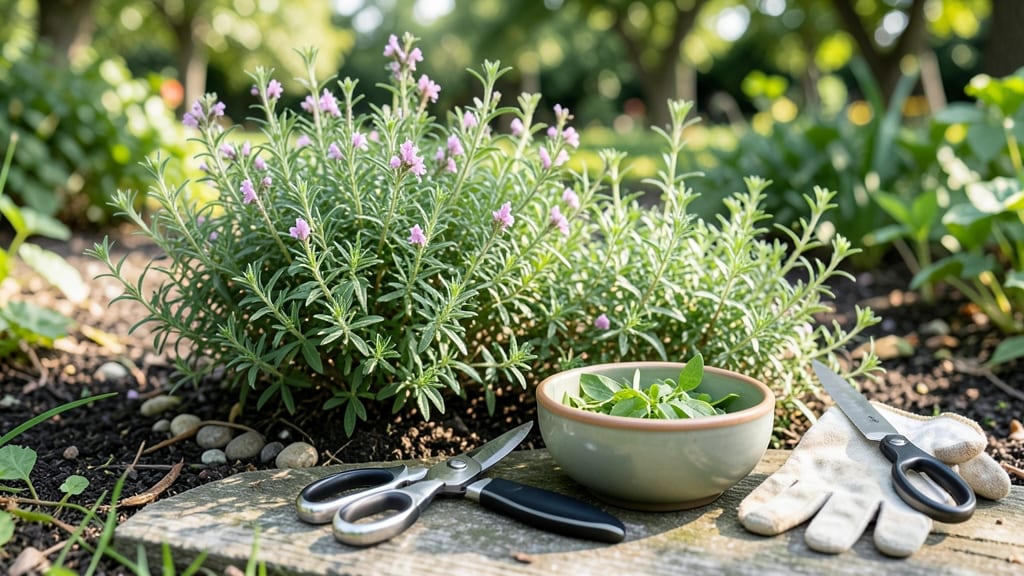
Harvesting lemon thyme 🍋 at the right time ensures you get the most flavorful leaves without harming your plant—here’s exactly when and how to do it.
Lemon thyme isn’t just a culinary superstar—it’s also one of the easiest herbs to harvest, but timing and technique make all the difference between a fragrant bounty and wasted potential.
If you’ve ever pinched back overgrown stems only to watch your plant turn leggy or lose its vibrant scent, you know how critical the harvesting process really is.
In this guide, I’ll walk you through the 3 key signs your lemon thyme is ready, the best tools to use, and how to store your harvest so it stays fresh and flavorful for weeks.

3 Clear signs your lemon thyme is ready for harvesting (with exact timing)
Knowing when to harvest your lemon thyme ensures you get the most flavorful leaves while keeping your plant healthy and productive. Unlike some herbs that need precise timing, lemon thyme gives clear visual cues when it's ready.
The key is watching for leaf maturity, stem development, and seasonal growth patterns that align with your plant's natural rhythm.
Lemon thyme thrives in USDA Zone 6a and beyond, with the best harvest window spanning from mid-summer to early fall (June through September). This timing coincides with its peak growth phase after the last frost date (typically around April 15 in most regions).
Understanding these seasonal markers helps you plan ahead for the most abundant harvests.
🌿 Numbered Highlights: How to Harvest Lemon Thyme
- 🌱 Sign 1: Height Matters
Harvest when your plant reaches 6-12 inches tall. This indicates the plant has established a strong root system and is ready to produce flavorful leaves. - 🍋 Sign 2: Aroma Test
Crush a few leaves between your fingers. If they release a strong lemony scent, that's your cue to harvest. Weak or no aroma means the leaves aren't fully mature yet. - ✂️ Sign 3: Stem Readiness
Check the stems—they should be slightly woody but still flexible. If they snap easily, they're ready. Avoid harvesting if stems are too soft or brittle. - 📅 Seasonal Timing
Plan your harvests during June through September. This aligns with the plant's natural growth cycle after spring's last frost and before fall's first frost. - 🌸 Optional Flower Harvest
If you notice flower buds forming, you can harvest them for seeds or culinary use. However, removing flowers encourages more leaf growth for future harvests.
One of the most rewarding aspects of harvesting lemon thyme is how its leaf color changes as it matures. Young leaves start as a pale green and gradually deepen to a vibrant, rich green.
This color shift is a natural indicator that the leaves are developing their signature lemony flavor and are ready to be picked.
Timing your harvests correctly also means avoiding the late-summer slump that can affect many herbs. By harvesting in early to mid-summer, you ensure your plant remains vigorous and continues producing flavorful leaves well into the fall. This approach prevents over-maturation, which can lead to bitter-tasting leaves.
For container gardeners, pay close attention to the root system. If your lemon thyme is in a pot, gently check the roots after the plant reaches 6 inches tall.
If roots are crowded or circling, it's a sign the plant is ready for harvesting and may need repotting to encourage further growth.
Harvesting at the right time also means you'll get the most aromatic leaves. The best time of day to harvest is in the morning, after the dew has dried but before the heat of the day sets in.
This ensures the leaves are hydrated and packed with the most essential oils, which give lemon thyme its signature scent and flavor.
If you're growing lemon thyme for culinary uses, aim to harvest leaves just before they fully bloom. This ensures the most potent flavor. For ornamental purposes, you can allow a few flowers to develop, but regular harvesting of leaves will keep your plant bushy and healthy.
Remember, lemon thyme is a perennial herb, meaning it will continue to grow year after year if cared for properly. By following these signs and timing your harvests correctly, you'll enjoy a bountiful supply of this versatile herb for seasons to come.
Step-by-step lemon thyme harvesting guide: when, how, and what to avoid
Harvesting lemon thyme correctly keeps your plant thriving while ensuring the best flavor. The key is to harvest at the right growth stage—typically when the plant reaches 6 to 12 inches tall and the leaves are fully developed.
This usually happens 60 to 90 days after planting, depending on your climate and growing conditions.
Most gardeners harvest lemon thyme throughout the growing season, from late spring through early fall. Regular harvesting—every 4 to 6 weeks—encourages bushier growth and prevents the plant from becoming woody or leggy.
If you wait too long, the flavor intensifies but the stems become tough, making the leaves less desirable for cooking.
- Over-harvesting: Never take more than 1/3 of the plant at once. This stresses the plant and can stunt growth.
- Using dull tools: Dirty or rusty shears can damage stems and introduce disease. Always use clean, sharp pruners.
- Harvesting flowers: Removing blooms redirects energy back to leaf growth, but if you want seeds, leave a few flowers.
- Harvesting after rain: Wet leaves can spread fungal diseases. Wait until the plant is dry to harvest.
For hand-pinching, use your fingers to pluck individual leaves or small sprigs from the outer stems. This method is best for small-scale harvesting and encourages the plant to branch out.
Start at the top of the plant and work your way down to maintain a balanced shape. Hand-pinching is gentle and won’t damage the plant if done correctly.
When harvesting larger quantities, pruning shears are more efficient. Cut just above a leaf node—this is where new growth will sprout. Avoid cutting into woody stems, as this can harm the plant.
Always sterilize your shears with rubbing alcohol before and after use to prevent the spread of pathogens. Aim to harvest in the morning when the essential oils are at their peak.
After harvesting, store lemon thyme properly to preserve its flavor and freshness. For short-term use, wrap the sprigs in a damp paper towel and place them in a plastic bag in the fridge.
For long-term storage, dry the sprigs by hanging them upside down in a well-ventilated, dark place for 1 to 2 weeks. Once dry, strip the leaves and store them in an airtight container away from light.
Regular harvesting not only gives you a steady supply of fresh lemon thyme but also keeps your plant looking neat and encourages new growth. With the right techniques, you’ll enjoy a flavorful, abundant harvest all season long. Happy harvesting! 🌿✂️