
How To
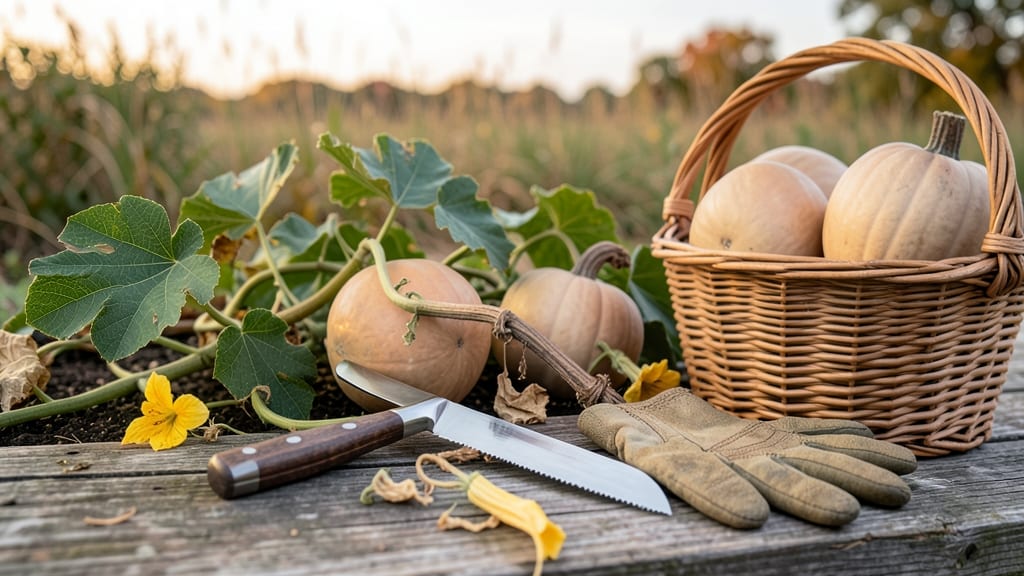
Harvesting butternut pumpkins at the right time 🎃 ensures sweet, flavorful squash—too early means bland flesh, and too late risks frost damage.
Picture this: you’ve waited all season for those dull orange beauties to ripen, only to pick them just as a hard frost rolls in. Or worse, you harvest too soon, only to find the seeds are still soft and the flavor lacks depth.
The good news? Butternut pumpkins send clear signals when they’re ready—you just need to know what to look for.
In this guide, I’ll walk you through the three key visual cues that tell you it’s time to harvest, from skin color shifts to stem changes, plus how to avoid common mistakes that turn a perfect crop into a disappointment.
By the end, you’ll know exactly when to pull those pumpkins for maximum sweetness and how to store them so they stay fresh through the winter—no guesswork, just perfect timing.

3 Key visual cues to identify perfectly ripe butternut pumpkins
Harvesting butternut pumpkins at the right moment transforms a good crop into an exceptional one. Unlike their ornamental cousins, these squash don’t ripen after picking—so timing is critical. Miss the window, and you’ll end up with bland, watery flesh or tough, unyielding skin.
The good news? Mother Nature provides clear visual cues that scream, "Pick me now!" Let’s break down the three foolproof signs to watch for.
First, pay attention to the skin color. Immature butternuts display a vibrant, almost neon orange hue, but ripe ones shift to a dull, matte finish. This isn’t about brightness—it’s about texture.
Run your thumb over the rind: if it feels hard as a rock and resists even a fingernail scratch, that’s your green light. Soft or slightly yielding skin means "not yet," while overly wrinkled skin signals "too late."
Next, examine the stem attachment. A ripe butternut’s stem will shrink and dry out, turning from green to brown and eventually detaching on its own. If the stem is still plump, green, or oozing sap, the pumpkin needs more time.
Pro tip: Gently tug on the stem—if it pulls away easily, you’re in the perfect harvest zone. This is nature’s way of telling you, "I’m ready to be separated from my vine!"
Finally, there’s the unmistakable thump test, a gardener’s secret weapon. Hold the pumpkin and give it a firm knock—like tapping a watermelon. A deep, hollow sound means the seeds and flesh have fully developed.
A dull or flat thud? Back to the vine for another week. This test works because ripe butternuts have denser, thicker walls and less moisture.
- 1
- 2
- 3
Ripe butternuts lose their vibrant orange glow, turning dull and matte. Press your fingernail—if it doesn’t scratch the skin, it’s ready.
The stem should shrink and brown, often detaching naturally. If it’s still green or moist, wait another week.
Tap the pumpkin—deep, hollow echoes mean ripe flesh. A dull thud signals underripe or overripe squash.
Many gardeners make the mistake of harvesting too early because they’re eager to enjoy their crop. But underripe butternuts have thin walls, watery flesh, and a bland flavor—hardly worth the effort. On the flip side, leaving them too long on the vine risks frost damage or pest infestations.
In USDA Zone 6a, aim to harvest between late September and early October, when daytime temps hover around 70°F and nights dip below 50°F.
Avoid the temptation to harvest based on size alone. Some varieties stay small but mature fully, while others grow large but never ripen. Instead, combine all three cues: skin hardness, stem condition, and the thump test.
For example, I once picked a butternut that passed the thump test but had a slightly green stem—only to discover the flesh was still underdeveloped. Lesson learned: trust the stem when in doubt.
One common pitfall is confusing skin wrinkles with ripeness. While slight wrinkling can occur as the skin matures, deep creases or a shriveled appearance mean the pumpkin has dried out on the vine.
These are best used immediately for cooking rather than storage. To test, gently squeeze the neck of the pumpkin—it should feel firm but not rock-hard.
If you’re growing butternuts in containers or shorter seasons, start checking for ripeness 85 days after planting. Mark your calendar and inspect your pumpkins every 3–5 days during the final stretch.
Use a harvest journal to track skin color changes, stem drying, and thump test results—this helps you refine your timing for next year’s crop.
Remember, butternut pumpkins are annuals, so each plant offers just one harvest window. Once you’ve mastered these three visual cues, you’ll never second-guess when to pick again. Happy harvesting—and may your kitchen be filled with the sweet, nutty aroma of perfectly ripe squash! 🎃
Butternut pumpkin harvesting mistakes that ruin your crop
Harvesting butternut pumpkins at the wrong time can turn your hard-earned crop into a bland, watery mess. I’ve seen gardeners rush to pick them when the skin is still soft, only to end up with pumpkins that lack the rich, nutty flavor they crave.
Or worse, they wait too long, and frost damage ruins everything. The key is paying attention to subtle but critical signs that most gardeners overlook.
One of the biggest mistakes I see is ignoring the vine’s condition. Healthy vines should be lush and green, but when they start yellowing and dying back, it’s a clear signal that your pumpkins are nearing maturity.
Skipping this step often leads to harvesting too early, when the flesh is still underdeveloped and the seeds aren’t fully formed.
Another common error is relying solely on calendar dates instead of visual cues. Butternut pumpkins mature between 85–100 days after planting, but environmental factors like temperature and sunlight can shift this timeline.
For example, a cool summer might delay ripening, while a hot, dry spell could speed it up. Always check the pumpkin itself, not just the days on the calendar.
⚠️ 3 Harvesting Mistakes to Avoid
1. Picking when the skin is still soft: A ripe butternut should have a hard, dull orange rind that can’t be dented with light pressure. If it yields, leave it on the vine for 1–2 more weeks.
2. Ignoring stem changes: The stem should shrink, dry out, and turn brown. A green, moist stem means the pumpkin isn’t ready—wait until it’s completely shriveled.
3. Harvesting before the first frost: Butternut pumpkins can tolerate light frosts, but heavy frost will damage the skin. If frost is forecasted, pick them 2–3 days early and cure indoors.
Don’t assume all pumpkins on the vine are ready at the same time. Some varieties mature faster than others, so check each one individually. For example, ‘Waltham’ butternuts often ripen earlier than ‘Long Neck’ types. Always pick the smallest, firmest pumpkins first—they’ll be the earliest to mature.
One trick I swear by is the thump test. Give the pumpkin a gentle knock with your knuckles—it should sound hollow, like a drum. A dull thud means it’s not ready. This simple test saves countless premature harvests and ensures you’re picking pumpkins at their peak flavor and texture.
Finally, never store freshly harvested pumpkins in the fridge. They need time to cure at 80–85°F for 10 days in a dry, shaded spot. Skipping this step shortens their shelf life and dulls their flavor.
With these tips, you’ll avoid the most common mistakes and enjoy butternut pumpkins that taste like summer all winter long.