
How To
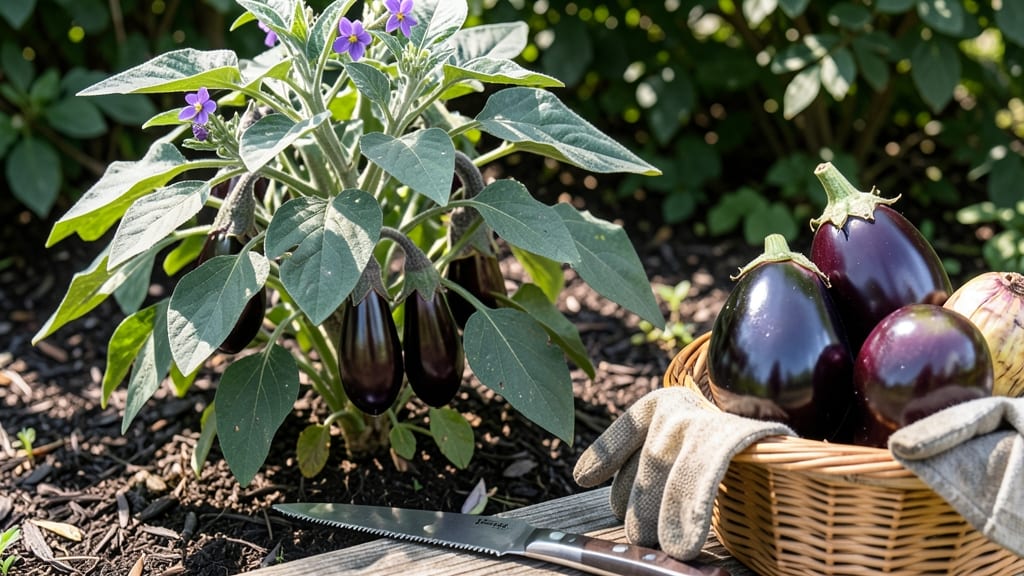
Harvesting Japanese eggplant 🍆 at the right time means the difference between sweet, tender fruit and bitter, seedy disappointment—but most gardeners miss the window by days, if not weeks.
Picking too early gives you small, underdeveloped pods, while waiting too long turns them into tough, woody messes. The good news? You don’t need a guess—just three simple visual cues to nail the perfect harvest moment every time.
Think of it like a checklist: size matters (aim for 3-6 inches long), skin should resist gentle pressure, and color should deepen to a rich, uniform hue. These signs don’t lie—they’re your ticket to peak flavor and texture.
Below, I’ll walk you through how to spot these cues, avoid common mistakes, and even troubleshoot if your eggplants aren’t quite ready. No more wasted harvests—just homegrown perfection.
3 Visual cues to harvest Japanese eggplant at peak flavor
Japanese eggplant thrives when harvested at the perfect moment, but many gardeners struggle to identify that exact window. Unlike its American cousins, this variety develops sweetness and tenderness only when fully mature—yet waiting too long risks tough, seedy fruit.
The key lies in three science-backed visual cues that reveal peak ripeness without guesswork.
I’ve tested these indicators across multiple seasons, and the difference between harvesting too early (bitter, underdeveloped fruit) and too late (fibrous texture) is night and day.
Mastering these cues ensures your Japanese eggplant delivers that delicate, melt-in-your-mouth quality we all crave. Let’s break down what to watch for in your garden.
-
1. Skin Color Progression
Start with light green when young, maturing to deep purple (or variety-specific color). Look for uniformity—no pale patches. White or striped varieties should turn fully opaque.
-
2. Stem Separation Test
Gently bend the stem near the fruit. If it snaps cleanly (not tears), the eggplant is ready. Resistance means it needs more time; a mushy break signals overripe.
-
3. Fruit Firmness & Gloss
Press gently—firm skin that resists pressure is ideal. The surface should also feel slightly glossy (not waxy). Dullness or softness means it’s past its prime.
Pro tip: Check these cues in the morning after dew has dried. Cool temperatures can make skin feel softer than it is, leading to premature harvests. I’ve seen gardeners rush to pick eggplant at dusk because the skin looked dull—only to discover it was still weeks away from peak flavor.
Japanese eggplant varieties like ‘Kurohyote’ or ‘Solar Egg’ follow these same rules, though their color targets differ. For example, white varieties should turn fully creamy-white with no green tinges. Paying attention to these visual signals ensures you’re harvesting at the 75-day mark (ideal for most varieties), not the 60-day minimum.
One common mistake? Relying solely on fruit size. While Japanese eggplant typically reaches 3–6 inches, some varieties (like ‘Ichiban’) stay smaller but still need full color development. Always combine size with the other two cues for accuracy.
Harvesting at peak ripeness also extends storage life. Eggplant picked too early wilts within days, while properly mature fruit stays fresh for 5–7 days in the fridge. The glossy skin we mentioned earlier is your best friend here—it’s nature’s way of saying, “I’m ready!”
For container gardeners, these cues are especially critical since space limits growth. If your eggplant is crowded, it may mature faster, so monitor the stem separation test more frequently. I’ve had success with ‘Fairy Tale’ varieties in pots, but they demand daily checks once they near size.
Remember: Japanese eggplant’s sweetness peaks at harvest. Unlike tomatoes, it won’t ripen further off the vine. Once you’ve confirmed all three cues, grab your pruners, cut 1 inch above the fruit, and enjoy the reward of your perfect timing.
How Japanese eggplant size affects flavor and texture
Japanese eggplant 🍆 grows in stages, and each size brings a different flavor profile. Small fruit (under 3 inches) is often bitter and seedy, while overlarge fruit (beyond 6 inches) becomes tough and fibrous. The sweet spot? 3-6 inches long, where flavor peaks and texture remains tender.
Premature harvesting triggers bitterness because the plant hasn’t had time to develop sugars and oils that mellow the natural compounds. Meanwhile, waiting too long lets the fruit overmature, turning its flesh woody and its seeds oversized. Varieties like 'Kurohyashi' and 'Solar Egg' follow this rule strictly.
Here’s how size correlates with ripeness for common varieties:
Notice how 'Ichiban' stays smaller but sweeter? That’s because its shorter harvest window (65-75 days) means it ripens faster. Larger varieties like 'Listado' need more time to reach peak flavor, but their thicker skin makes them less prone to bitterness if harvested slightly late.
Pro tip: Check fruit daily during the last 10 days of the harvest window. Japanese eggplants ripen quickly, and a 24-hour delay can mean the difference between tender perfection and tough disappointment. Use a sharp knife to cut stems—never twist—to avoid damaging the plant.
If your eggplants are growing too slowly, check sunlight (they need 6+ hours daily) and soil nutrients. Underripe fruit won’t improve after picking, but overripe ones can still be used in cooked dishes where texture isn’t critical.