
How To
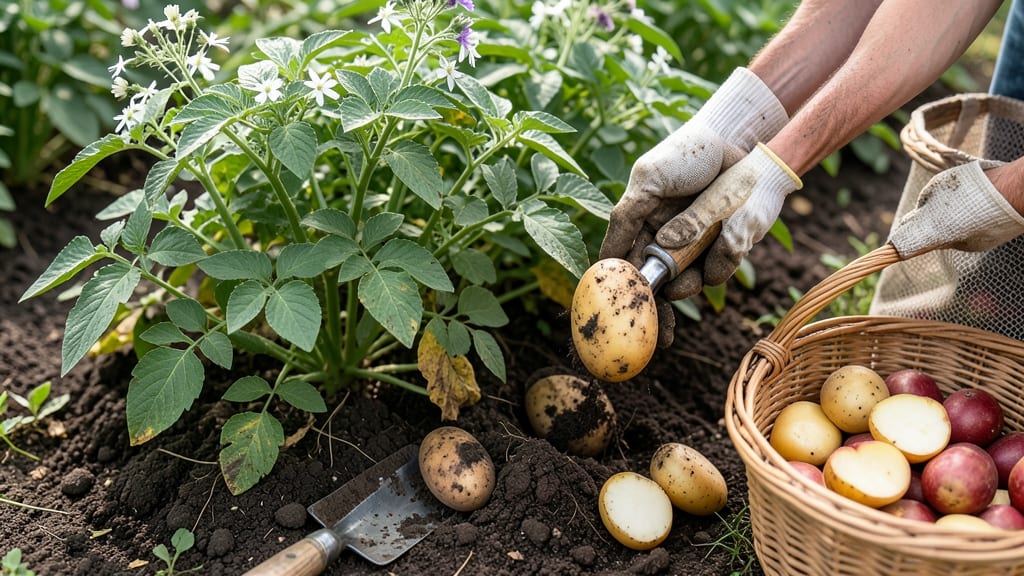
Harvesting potatoes in Missouri at the right time ensures perfect flavor and texture—whether you're digging for new potatoes in July or mature tubers in September.
Missouri gardeners know timing is everything—dig potatoes too early, and you’ll miss out on starchy perfection; wait too long, and they’ll turn mealy. Mastering the art of harvesting at the ideal moment means richer yields and fewer wasted tubers.
Your first clue? Soil temperature—aim for 55-65°F—paired with foliage that’s yellowing or dying back. But don’t stop there: learn how to read tuber size, skin firmness, and even the subtle signs of frost risk to lock in the best harvest window for your 5b-6a zone.
Below, I break down the exact steps to time your harvest, from checking soil temps to curing potatoes for storage—so you never dig too soon or too late again.

Missouri potato harvest timeline: soil temperature & plant signals
Timing your potato harvest in Missouri’s climate means balancing soil temperatures and plant signals—both critical for tubers at their peak. Early varieties like Yukon Gold mature faster, while late varieties such as Russet need more time.
The ideal window starts when soil temps drop to 55–65°F, signaling tubers have finished bulking up but before frost hits.
Missouri’s USDA Zones 5b–6a mean frost can arrive as early as mid-October, so monitoring foliage changes is key. Watch for yellowing leaves and dying back—this indicates tubers are mature.
But don’t wait too long, or you risk mealy potatoes or frost damage. Early harvests (July–August) target new potatoes, while mature harvests (September–October) focus on larger tubers.
Here’s a quick reference to nail your harvest timing:
| Stage | Key Signals | Soil Temp | Missouri Timeframe |
|---|---|---|---|
| New Potatoes | Flowers appear; tubers 1–2" | 65–75°F | July–early August |
| Early Varieties | Leaves yellow; tubers 2–3" | 55–65°F | Late August–early September |
| Mature Potatoes | Foliage fully dead; skin tough | 50–60°F | Mid-September–October |
| Frost Risk | Avoid digging if frost is forecasted | Below 50°F | October+ |
For early varieties, prioritize harvest when 70% of leaves yellow—this usually aligns with late August in Missouri. Use a fork to gently loosen soil and check tuber size; aim for 2–3 inches.
If tubers are smaller, wait 1–2 weeks. Late varieties like Idaho Russet need full foliage die-back, often by mid-September.
Missouri’s rocky soil can complicate digging, so loosen soil 2 weeks before harvest with a broadfork. Test tuber readiness by squeezing: a firm skin means it’s ready, while a soft tuber needs more time. Pro tip: Harvest on a dry, sunny day to speed curing and reduce disease risk.
Don’t ignore soil temperature—cooling below 55°F slows tuber growth, but digging too early risks small, underdeveloped potatoes. Use a soil thermometer to confirm temps are in the 55–65°F range before committing.
In northern Missouri, aim for early September harvests, while southern regions can wait until late September.
Watch for green tubers, a sign of light exposure, which makes potatoes toxic. If you spot green spots, harvest immediately and avoid eating those sections. Missouri’s humidity also increases disease risk, so cure potatoes in a dry, shaded area for 1–2 weeks before storage.
Store in a cool, dark place (40–50°F) to preserve freshness.
Missouri’s variable climate means flexibility is key. If rain delays harvest, wait for soil to dry slightly to prevent rot. For container-grown potatoes, harvest when foliage dies back, as tubers fill the pot faster.
Always leave the largest tubers in the ground longest—they’ll be your winter storage stars.
Pro move: Keep a harvest journal to track soil temps and plant signals each year. Over time, you’ll anticipate the perfect digging window like a pro. Remember, Missouri’s short growing season demands precision—don’t let perfect potatoes slip away!
Step-by-step harvesting guide: from digging to curing potatoes
Once your potatoes show signs of maturity—like yellowing foliage or 2-3 inch tubers—it’s time to harvest. In Missouri’s 5b-6a zones, this typically falls between late August and October, but timing varies by variety.
Early harvests yield new potatoes for quick meals, while waiting longer gives you larger, starchy tubers perfect for storage.
Missouri’s rocky soil and unpredictable weather can complicate harvesting, so I’ll walk you through gentle extraction methods to avoid damaging tubers. Whether you’re dealing with clay-heavy soil or pest pressure, these steps ensure a clean, efficient harvest every time.
🥔 Step-by-Step Potato Harvesting Process
-
Step 1: Choose the Right Day
Harvest on a dry, sunny day when soil temps are 55-65°F to prevent rot. Avoid digging after rain or when frost is forecasted. -
Step 2: Cut Foliage First
Use clean shears to trim plant tops 1-2 inches above soil. This prevents disease from spreading to tubers during curing. -
Step 3: Loosen Soil Gently
Use a garden fork to pierce soil 6 inches deep around plants. In rocky Missouri soil, wiggle the fork carefully to avoid tuber damage. -
Step 4: Lift Tubers Carefully
Grip tubers by their stem ends and pull gently. Shake off excess soil—never wash potatoes before curing to prevent rot. -
Step 5: Cure for Storage
Spread potatoes in a single layer in a dark, 60-70°F space for 7-10 days. This thickens skins and heals cuts, extending shelf life. -
Step 6: Store Properly
After curing, store in a cool (40-50°F), dark place with high humidity. Use ventilated containers to prevent spoilage from moisture buildup.
Missouri’s humid summers and rocky terrain can make harvesting tricky. If you encounter uneven soil, use a hand trowel to gently lift tubers in tight spots. For pest-damaged plants, harvest immediately to salvage undamaged tubers.
After curing, your potatoes should have firm, rough skins and store for 3-6 months. Discard any tubers with soft spots or sprouts—these won’t keep well. With these steps, you’ll avoid the mealy texture that comes from harvesting too late or the small size of early digs.
Pro tip: Label your harvest containers with the variety and date. Missouri’s variable frost dates mean some late-season varieties might need a light frost protection to finish curing properly.