
Vegetables
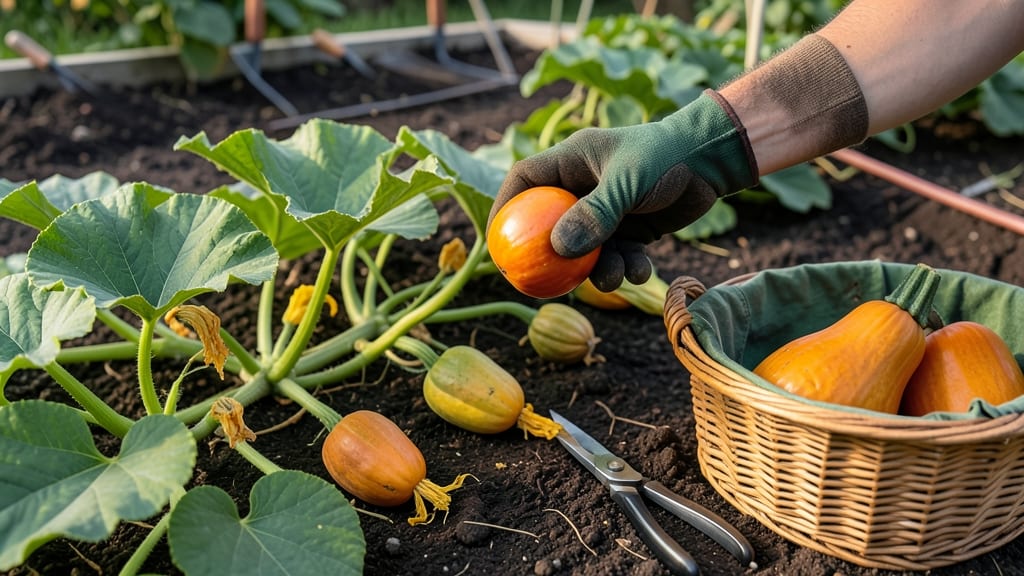
Harvesting squash at the right time means the difference between a crisp, flavorful meal and a meal of regret — and it’s all about reading the fruit’s signals before it’s too late.
Picking squash too early means tough, seedy disappointment, while waiting too long turns your garden bounty into a mushy mess. But here’s the secret: your fingers already know the answer.
With just three simple tactile tests, you can tell when summer 🎃 and winter varieties are ready to pick — no guesswork required.
This isn’t just about size or color (though those matter). The real key lies in the skin’s resistance, the stem’s dryness, and the hollow sound when tapped. Master these cues, and you’ll never waste another squash again.
Below, I’ll walk you through the exact steps to check ripeness, plus how to adjust for different varieties like zucchini, butternut, and pumpkin. Ready to turn your harvest into a zero-waste win?
How to test squash ripeness using the thumb-nail method
Harvesting squash at the perfect moment ensures peak flavor and textural quality. The thumb-nail method is my go-to trick for determining ripeness—no fancy tools required. Simply press your thumbnail into the squash skin; the resistance (or lack thereof) tells you everything.
This technique works for both summer and winter squash, though the pressure needed varies slightly.
For summer squash like zucchini, the skin should yield just slightly to pressure—think of a ripe avocado. Winter squash, such as butternut or acorn, need a firmer touch, almost like pressing into a hard apple.
The key is consistency: if the squash feels too soft or too hard, it’s not ready. Let’s break it down step by step.
- Step 1: Select a squash that’s reached its mature size for its variety (e.g., 6-12 inches for summer squash).
- Step 2: Use your thumbnail to gently press into the skin near the stem. Apply moderate pressure—not enough to bruise.
- Step 3: For summer squash, the skin should dent slightly but not pierce. For winter squash, your thumbnail should leave no mark.
- Step 4: Tap the squash lightly with your knuckles. A hollow sound means it’s ripe; a dull thud means it’s still firming up.
- Step 5: Check the stem. If it’s starting to dry and separate from the vine, it’s time to harvest.
One common mistake is pressing too hard, especially with winter squash. Over-pressing can bruise the skin or even puncture it, making the squash susceptible to rot or pests.
Another pitfall? Harvesting based solely on size. A squash might be the right length but still underripe if the skin isn’t firm enough.
For summer squash, like zucchini or yellow crookneck, aim for a bright, even color and a skin that’s slightly tender to the touch. These varieties are best harvested frequently—every 3-5 days—to encourage more production.
If left on the vine too long, they’ll turn woody and bitter, ruining their delicate flavor.
Winter squash, on the other hand, thrive on time and maturity. Varieties like butternut or pumpkin need their skin to harden completely. Pressing your thumbnail should feel like indenting a rock—no give at all.
These squash are built for long-term storage, so take your time testing their readiness.
Pro tip: Harvest in the morning when squash are cool and firm. Avoid harvesting after a hot day, as the skin may feel softer due to heat stress.
Always use a sharp knife or pruners to cut the squash from the vine, leaving a 1-inch stem attached. This helps prevent rot and extends shelf life.
If you’re unsure whether your squash is ready, err on the side of harvesting early. Most squash continue to ripen slightly after picking, but they won’t improve if left too long on the vine.
Overripe squash become stringy, seedy, and tough, making them unappealing to eat. Plus, they take up valuable garden space that could be used for new plants.
For storage tips, summer squash should be kept in the fridge for up to a week, while winter squash can last months in a cool, dry place. Cure winter squash by placing them in a warm, sunny spot for 7-10 days to harden the skin further before storing.
Mastering the thumb-nail method takes practice, but once you get the feel for it, you’ll never second-guess your harvest timing again. Happy squash hunting! 🎃
Summer vs. winter squash: key differences in harvest timing
Not all squash are created equal when it comes to harvest timing. Summer squash like zucchini and yellow crookneck need to be picked young and often, while winter squash such as butternut or acorn require full maturity for optimal flavor.
Understanding these differences can mean the difference between a bitter harvest and a sweet, storable bounty. Let’s break down the key distinctions so you can adjust your harvesting strategy accordingly.
For summer squash, the window for perfect harvest is narrow—typically 45-55 days after planting. These varieties are best when harvested small and tender, usually between 6-12 inches long. Waiting too long results in tough, seedy flesh that’s less palatable.
Winter squash, on the other hand, need 90-120 days to mature fully, and their hard rinds are designed for long-term storage.
| Feature | Summer Squash (e.g., Zucchini) | Winter Squash (e.g., Butternut) |
|---|---|---|
| Harvest Window | 45-55 days after planting | 90-120 days after planting |
| Ideal Size | 6-12 inches long | Full mature size (varies by variety) |
| Skin Texture | Soft, tender skin | Hard, woody rind |
| Harvest Frequency | Every 2-3 days (pick often) | Once fully mature (store for months) |
| Storage Life | 3-5 days in fridge | 2-6 months in cool, dry place |
One of the biggest mistakes gardeners make is treating all squash the same. Summer squash should be harvested before they fully mature, while winter squash must reach full maturity to develop their signature sweetness and storage capabilities.
For example, a zucchini left on the vine too long becomes tough and seedy, while a butternut squash harvested too early won’t ripen properly and may spoil quickly.
Another key difference lies in storage implications. Summer squash are best enjoyed fresh and don’t store well, so focus on regular harvesting to keep production steady. Winter squash, however, are designed to last—cure them properly after harvest to extend their shelf life for months.
This means letting them harden in a warm, dry place for about 10 days before storing.
Pay attention to the stem condition as well. For summer squash, the stem should still be green and attached firmly. For winter squash, the stem should begin to dry and separate naturally, indicating full maturity.
This subtle difference in stem behavior is a clear cue that your winter squash is ready for harvest and storage.
Adjust your harvesting strategy based on the type of squash you’re growing. For summer squash, set a reminder to check your plants every 2-3 days to avoid overgrowth. For winter squash, be patient and wait for the full color change and hard rind before harvesting.
This attention to detail will ensure you enjoy the best possible flavor and texture from your garden.