
Plants
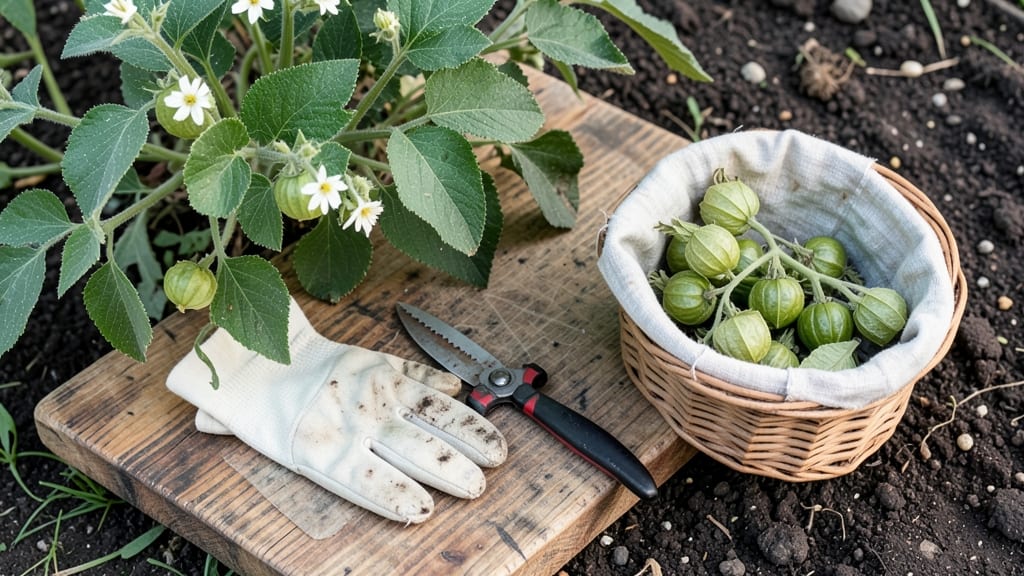
Harvesting tomatillo plants at the right time turns their bright green pods into the tangy backbone of salsa verde 🌿 — and waiting too long means bitter disappointment.
Tomatillos are the unsung heroes of salsa verde, but knowing exactly when to harvest them can mean the difference between mild tang and explosive, restaurant-quality flavor. One wrong squeeze—or wait—could ruin your harvest.
Most tomatillos are ready 60 to 80 days after transplanting, but size, color, and firmness are the real clues. In USDA Zone 6a, that window falls between July and September, while warmer climates may harvest a few weeks earlier.
Below, I’ll walk you through the gentle squeeze test, size rules, and regional tweaks to ensure you pick them at peak flavor—before they turn yellow or bitter.

Tomatillo harvest guide: the gentle squeeze test & size rules
Harvesting tomatillos at the perfect moment transforms your garden bounty into the vibrant, tangy stars of salsa verde. The key lies in combining size, color, and the gentle squeeze test—a method that separates homegrown perfection from store-bought disappointment.
Most varieties like Green Sage or Purple tomatillos reach peak flavor between 75-90 days after transplanting, but timing is everything.
Start by checking the pod diameter, which should be 1-2 inches across. These papery husks should feel firm but not rock-hard, with a slightly waxy texture that signals maturity.
The color shift from translucent to deep, uniform green is your second clue—this indicates the sugars inside have fully developed for that signature tang. But here's where many gardeners stumble: overripe tomatillos turn yellow and bitter, while underripe ones lack flavor.
The gentle squeeze test is your secret weapon. Hold a pod between your thumb and forefinger and apply light pressure. A ripe tomatillo will yield slightly but bounce back—like squeezing a ripe avocado. If it deforms permanently, it's overripe. If it feels like a stress ball, it needs more time. Pro tip: Test pods on multiple branches—maturity varies even within the same plant.
Regional climates throw a wrench into timing. In warmer zones (USDA 9-10), tomatillos may ripen 2-3 weeks faster due to extended sunlight. Conversely, cooler regions (USDA 5-7) might need an extra week.
Watch for morning dew on pods—this indicates overnight hydration, a sign of readiness. And if your plants are flowering heavily but pods stay small, they may need more phosphorus (try a 5-10-10 fertilizer).
Harvest on a dry morning to prevent disease. Use clean pruners or scissors, cutting the stem 1/4 inch above the pod. Leave the papery husk intact—this protects the fruit and preserves flavor.
Store harvested tomatillos in a paper bag in the fridge for up to 2 weeks, or freeze them whole for later salsa batches. The key? Consistency—check plants every 3-4 days during peak season to avoid missing the window.
Common mistakes derail even experienced gardeners. Harvesting too early for container-grown plants (they ripen faster) or ignoring color variations in heirloom varieties like Purple Tomatillo (which stay purple until ripe).
Another pitfall? Overwatering before harvest—this dilutes flavor. Stick to 1 inch of water per week and reduce by half in the final 10 days before picking for concentrated tang.
For continuous harvests, plant successive crops every 2 weeks in spring. This staggering technique ensures you're always picking at peak ripeness. And if you're growing Green Sage (a popular variety), expect 30-40 pods per plant—so plan for plenty of salsa verde!
The reward? A flavor profile that's 10x more intense than store-bought, with notes of citrus and lime that'll make your taste buds dance.
Remember: The perfect tomatillo is firm, uniformly colored, and passes the squeeze test with flying colors. Master this, and you'll never buy bland, mealy tomatillos again—just restaurant-quality flavor straight from your garden. Now grab those pruners and get ready to harvest like a pro! 🌿
Tomatillo ripeness stages: what to watch for beyond size
Beyond their 1-2 inch diameter, tomatillos reveal ripeness through subtle color shifts and texture changes that most gardeners miss. The key? Observing them at different times of day—morning light highlights their true green hue, while afternoon sun can make them look darker than they are.
Start by checking for a matte, waxy surface rather than the glossy sheen of unripe pods. A ripe tomatillo's skin should feel slightly rough to the touch, almost like a peppercorn. This texture develops as their starch converts to sugar, intensifying that signature tang.
🌿 Color cues change dramatically between morning and evening. In daylight, ripe tomatillos glow with a vibrant, uniform green—no yellowing or brown spots. At night, their natural fluorescence fades, so always inspect them before 10 AM when sunlight is brightest.
🌱 Tomatillo Ripeness Checklist
- ✅ Color: Uniform bright green (no yellow/brown) in morning light
- ✅ Texture: Firm but yielding (like a ripe avocado), matte surface
- ✅ Scent: Mild citrusy aroma when gently crushed (not pungent)
- ✅ Size: 1-2 inches diameter, heavy for size
- ✅ Gentle Squeeze: Yields slightly but doesn't dent (like a baseball)
Never rely on size alone—some varieties like 'Purple Streak' stay small but develop deep purple veins when ripe. For these, focus on the pod's weight: ripe tomatillos feel surprisingly heavy for their size, thanks to concentrated water and sugar.
🌱 Daytime differences matter most: In cooler climates (Zones 5-7), morning harvests prevent overnight temperature drops that can dull flavor. In warmer zones (8+), pick in late afternoon to avoid sunburn on exposed pods.
One pro tip? Harvest when the papery husk starts to loosen naturally—this signals the plant is redirecting energy to seed production. If you wait, the pods turn yellow-green and develop a mealy texture, ruining their culinary potential.