
Vegetables
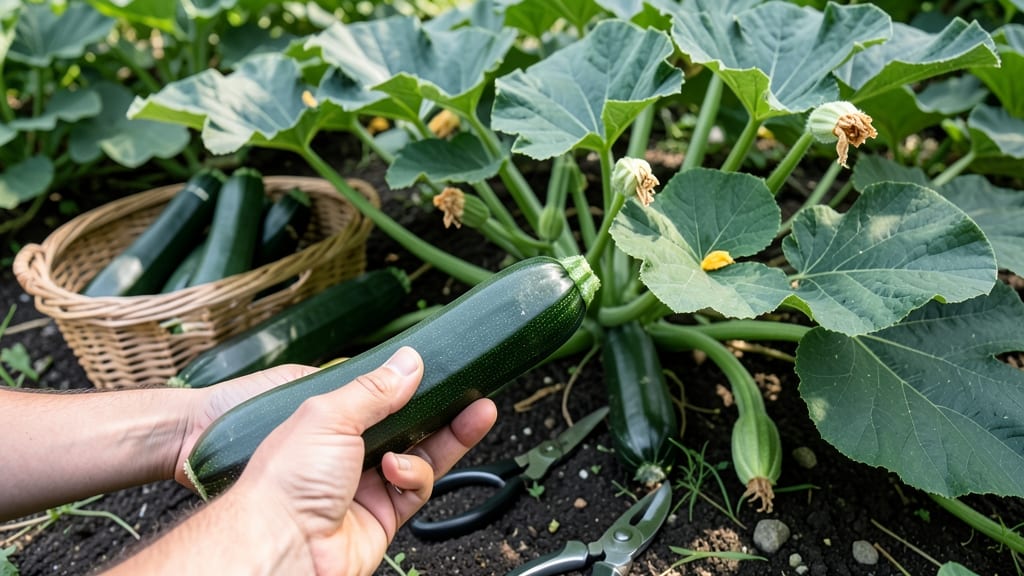
Timing your zucchini harvest right is the key to juicy, tender fruit and a plant that keeps producing all season long.
Picture this: you check your garden one morning and find a foot-long monster 🎃 where a 6-inch zucchini should be. That’s the moment you realize how fast these plants grow—and how quickly you can miss the perfect window.
The difference between a sweet, tender zucchini and a tough, seedy one often comes down to when you pick it.
Most varieties are ready to harvest between 60 and 75 days after planting, but size and color matter more than days alone. A zucchini that’s 6 to 8 inches long, with deep green skin and a slight give when pressed, is prime for picking.
Ignore these cues, and you’ll end up with overgrown squash that’s more suited for breading than fresh eating.
In this guide, I’ll walk you through the exact signs to watch for, how often to harvest to encourage regrowth, and simple storage tips to keep your zucchini fresh. By the end, you’ll know exactly when to reach for those pruners—and how to turn one plant into a summer-long harvest.
Optimal zucchini harvest time: size, color, and texture signs
Timing your zucchini harvest correctly is the key to enjoying sweet, tender fruit and encouraging your plants to keep producing. When you pluck zucchini at the wrong stage, you risk bitter flavors, stunted growth, and fewer harvests.
The ideal window is when your zucchini reaches 6-8 inches long—this is when they're at their peak for both taste and texture.
Harvesting at the right time isn't just about size—it's also about color consistency and texture clues. A zucchini ready for picking will have a deep, even green hue and a slightly glossy skin.
If you press it gently with your thumb, the skin should give just a little, but not too much—this indicates the perfect balance of maturity and tenderness.
Here's what to look for to ensure you're harvesting at the optimal time:
| Harvest Cue | Description | Action |
|---|---|---|
| Size | 6-8 inches long | Harvest immediately |
| Color | Deep, even green | Avoid yellowing or mottled spots |
| Texture | Slightly glossy, firm but yielding | Press gently with thumb |
| Stem | Yellowing at base | Snap stem easily with fingers |
| Weight | Feels substantial for size | Heavier = more mature |
If you wait too long to harvest, your zucchini will continue growing and develop a tough, fibrous texture and bitter taste. Overripe zucchini can also drain nutrients from the plant, reducing its ability to produce more fruit.
On the other hand, harvesting too early means you miss out on the full flavor potential and may not get the best yield from your plants.
Another important factor is the variety of zucchini you're growing. Some types, like 'Black Beauty' or 'Gold Rush', have slightly different ideal harvest times. For example, golden zucchini varieties often reach peak flavor a day or two earlier than green varieties.
Always check the seed packet or plant tag for variety-specific recommendations.
When you harvest zucchini at the right time, you're not just getting the best flavor—you're also encouraging the plant to produce more fruit. Zucchini plants are prolific, but they need a little encouragement in the form of regular harvesting to keep producing.
By picking consistently, you signal to the plant that it's time to focus on creating new fruit instead of maturing the ones already there.
Pro tip: Use a sharp knife or pruning shears to cut the zucchini from the vine, leaving about 1/4 inch of stem attached. This method reduces the risk of damaging the plant and makes it easier to spot new fruit as they develop.
Always harvest in the morning when the fruit is cool and crisp, which is when they'll taste their best.
If you're new to growing zucchini, start by harvesting every 2-3 days once your plants begin producing. This frequency helps you stay on top of the harvest window and prevents any zucchini from getting too large.
As you gain experience, you'll develop a feel for when your plants are ready to be picked again.
Remember, the goal is to keep your zucchini plants happy and productive throughout the growing season. By paying attention to size, color, and texture, you'll be well on your way to a bountiful harvest of delicious, tender zucchini all summer long. Happy harvesting! 🌱
How to extend zucchini harvest season with proper picking techniques
One of the biggest mistakes gardeners make with zucchini is assuming that harvesting once or twice a season will keep the plant producing. The truth? Consistent, strategic picking is what turns a single plant into a summer-long harvest machine.
When you pick zucchini regularly—every 2 to 3 days during peak production—you send a signal to the plant to keep flowering and setting new fruit.
Skip this step, and you’ll end up with a few giant squash while the rest of the plant puts all its energy into maintaining those oversized fruits.
Think of your zucchini plant like a well-stocked grocery store: restock the shelves (pick the produce) before they run out of space, and you’ll keep getting fresh deliveries. The same logic applies here.
By removing mature zucchini before they reach 8 inches, you encourage the plant to focus on producing more fruit instead of growing larger ones. This simple habit can double or even triple your harvest compared to picking just once or twice.
But timing isn’t the only factor—pruning strategies also play a role in extending your harvest. Many gardeners overlook the fact that zucchini plants produce both male and female flowers.
Female flowers (the ones that turn into zucchini) grow at the base of a tiny zucchini, while male flowers have long stems.
If you notice your plant is producing more male flowers early in the season, you can prune off some male flowers to redirect the plant’s energy toward female flowers, which will eventually become your harvest.
⚠️ Warning: Overcrowded Fruit Stops Regrowth!
If your zucchini plant is loaded with fruit, it will stop producing new flowers until the existing zucchini are harvested. This is your plant’s way of saying, "I’m too busy feeding these squash to make more!"
To fix this, pick at least 3-4 zucchini per week during peak season (June-August). If you’re overwhelmed, thin out smaller zucchini to leave only the healthiest, most promising ones on the vine.
🌱 Pro Tip: Use a sharp knife or pruners to avoid damaging the plant when harvesting.
For those in warmer climates (USDA Zones 8-10), you can extend the harvest season even further by using seasonal adjustments. If your zucchini plant starts slowing down in late summer, give it a boost with a light feeding of compost or balanced fertilizer (like 10-10-10).
This encourages new growth just as cooler temperatures arrive. In colder regions, opt for early-maturing varieties like 'Eight Ball' or 'Black Beauty,' which can produce harvests as early as 45 days after planting.
Another trick to prolong harvests is to water deeply in the morning and mulch around the base of the plant. Mulch helps retain moisture and keeps the soil cool, which is especially important during hot summer months.
When the soil stays consistently moist, your zucchini plant will keep flowering and fruiting without stress. Avoid watering at night, as damp foliage can lead to fungal diseases like powdery mildew, which can stunt growth and reduce yields.
Finally, don’t forget that variety matters. Some zucchini types, like 'Gold Rush' or 'Sunburst,' are bred for continuous production and can keep yielding well into fall if cared for properly. Others, like 'Patio Star,' are bushier and may not produce as long but are great for smaller gardens.
Choose varieties that match your climate and growing conditions to maximize your harvest window.
By combining regular picking, pruning strategies, and seasonal adjustments, you’ll turn your zucchini plant into a non-stop producing powerhouse. Before you know it, you’ll have more zucchini than you know what to do with—and that’s a gardener’s dream! 🎃