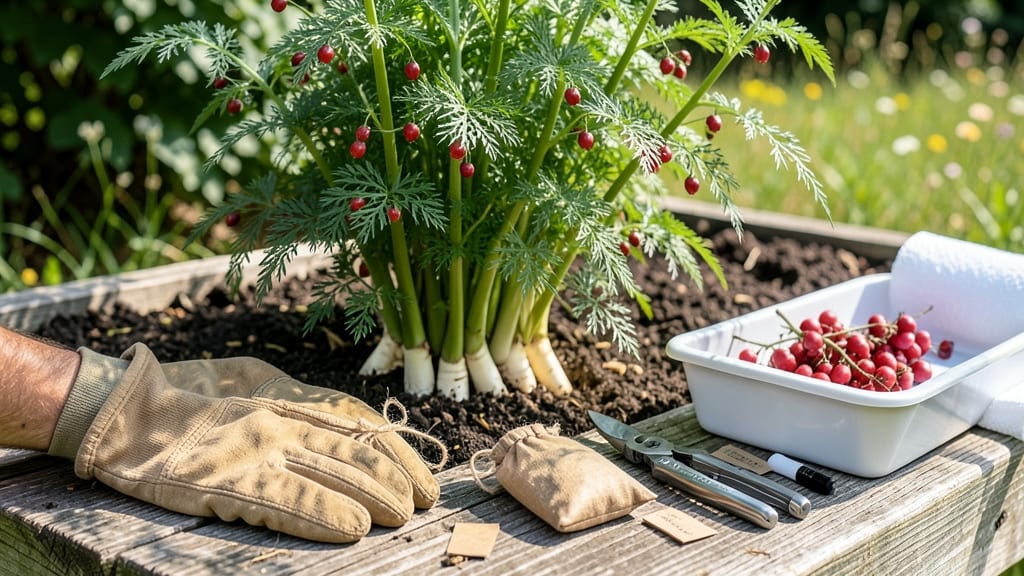
To harvest asparagus seeds, wait until the spears turn brown and split open naturally—this is your cue that the tiny black seeds inside are ready to collect. You’ve spent years nurturing your asparagus patch 🌱, but…
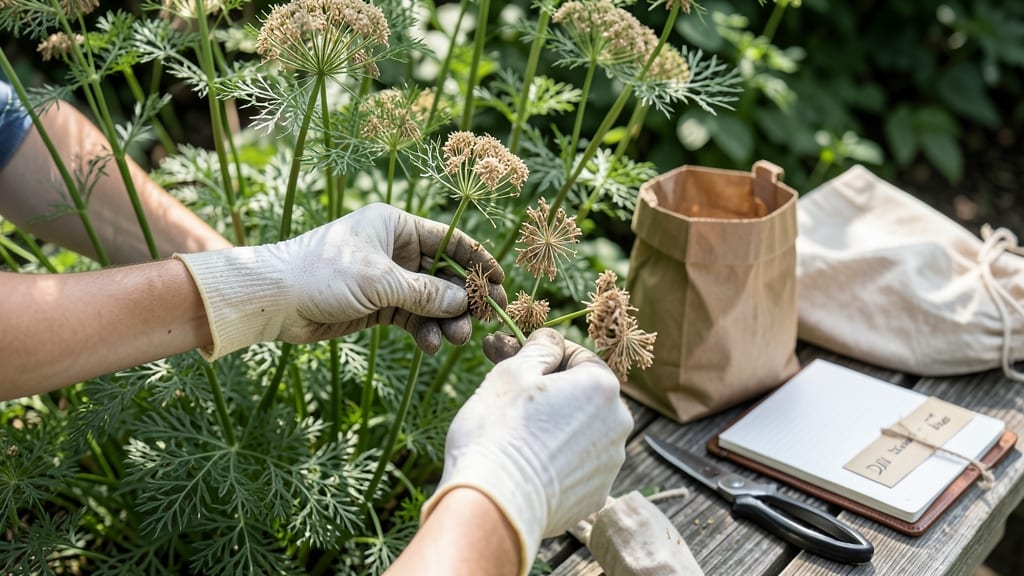
Harvesting dill seeds from your 🌿 dill plants is easier than you think—just wait for the stems to turn brown and shatter at the slightest touch. Picture this: you’ve spent months nurturing your dill, only to watch the…
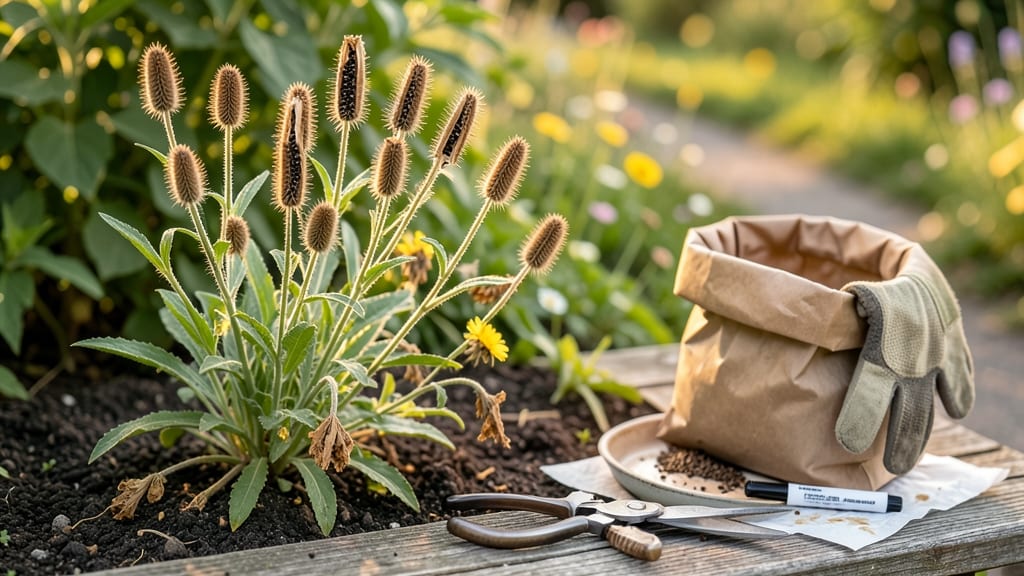
Harvesting evening primrose seeds 🌸 requires timing them perfectly—when the pods crack open naturally, before the wind or wildlife steals them away. Picture this: You’ve nurtured your evening primrose all season, and…
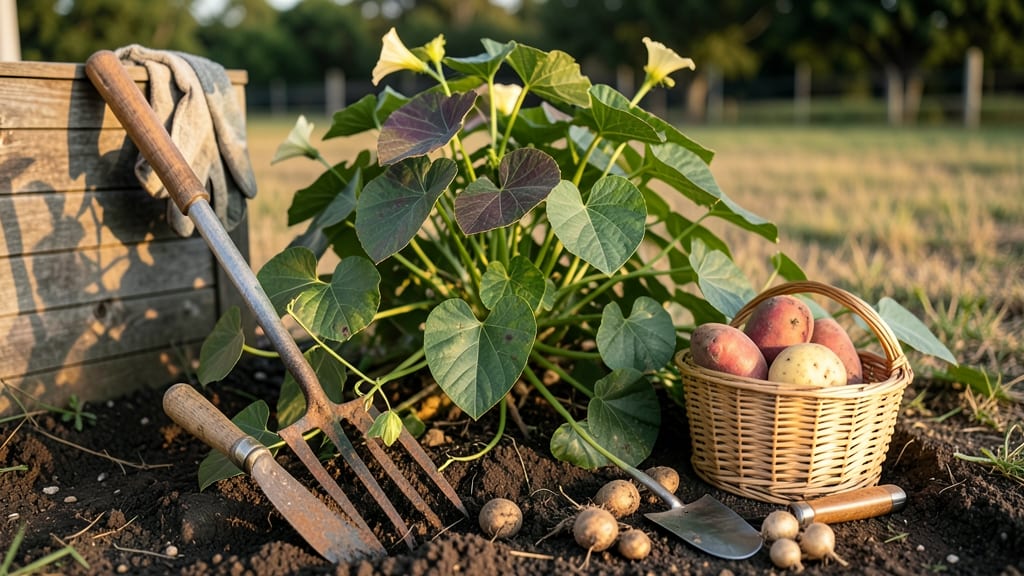
Harvesting sweet potatoes at the right time ensures tender, flavorful tubers instead of tough, stringy ones — and the key is knowing when the skin slips easily from the flesh. Picture this: you dig up a plump 🍠 only to…
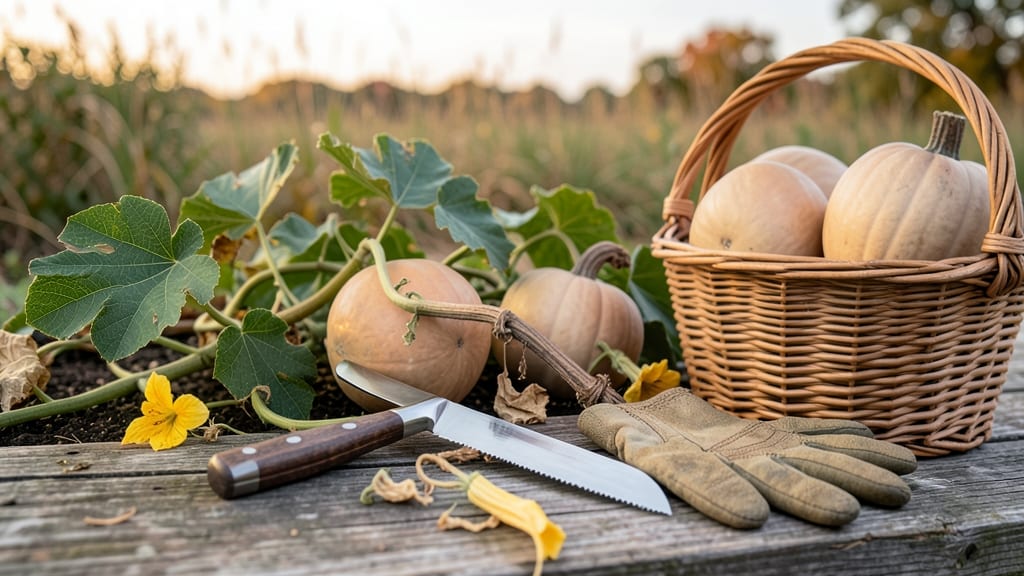
Harvesting butternut pumpkins at the right time 🎃 ensures sweet, flavorful squash—too early means bland flesh, and too late risks frost damage. Picture this: you’ve waited all season for those dull orange beauties to…
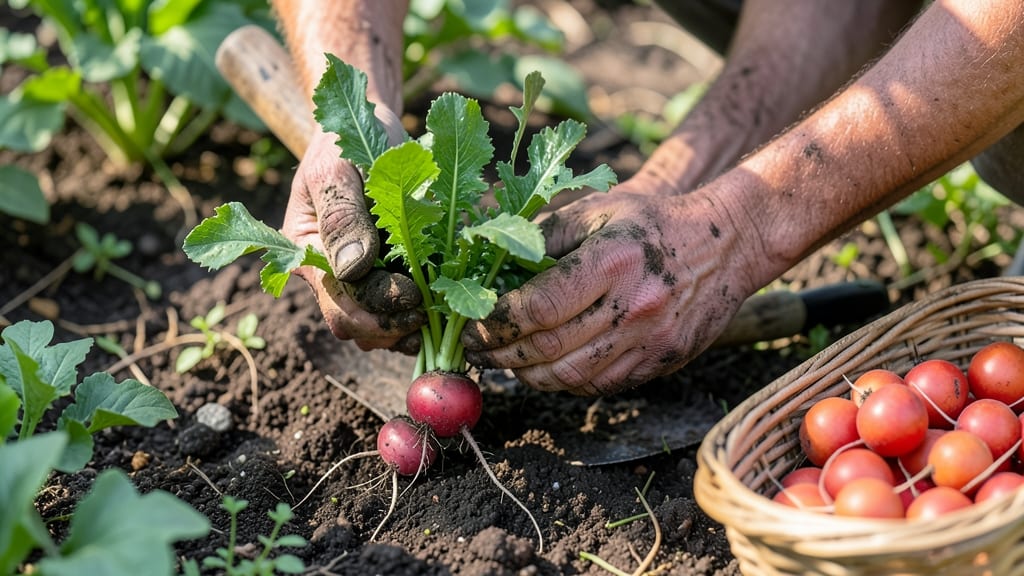
Harvesting French Breakfast radishes 🥕 at the right time turns a fast-growing crop into a crisp, pepper-free feast—or a tough, bitter disappointment. Picture this: you’ve waited three weeks for those bright pink roots…
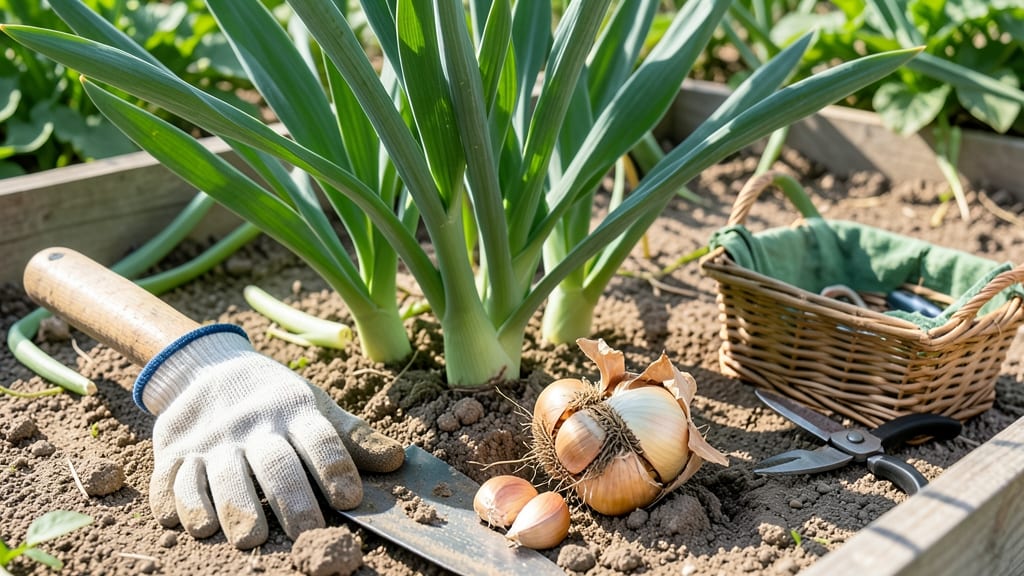
Harvesting garlic in Georgia happens when the lower leaves turn brown and crispy—typically between late May and early June , just as the soil warms and the moon cycles into its waning phase. Picture this: you’ve spent…
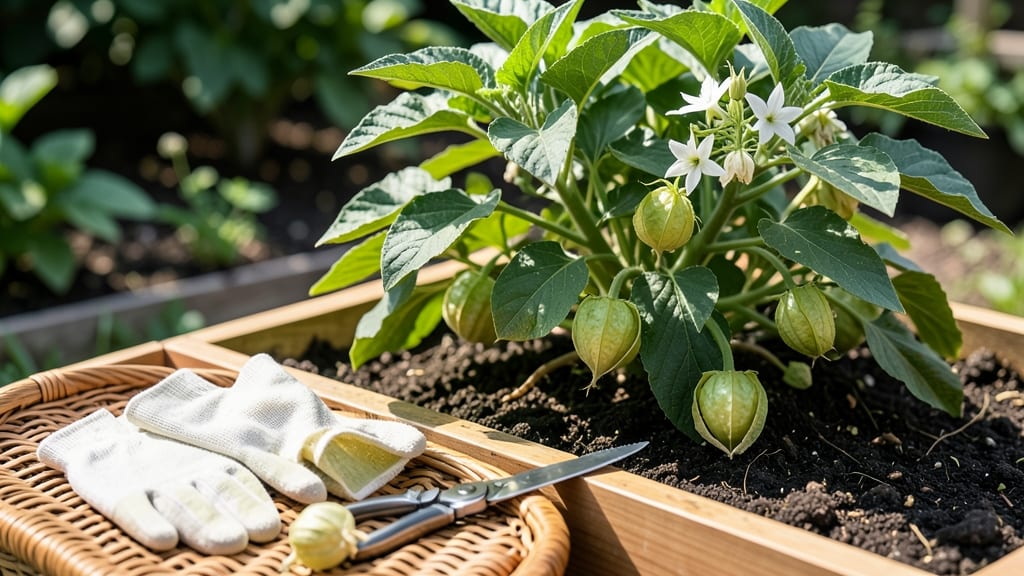
Harvesting tomatillos at the right time means capturing their signature tart, tangy flavor instead of ending up with bitter or mealy fruit. If you’ve ever plucked a tomatillo too early and found it hard and flavorless—or…
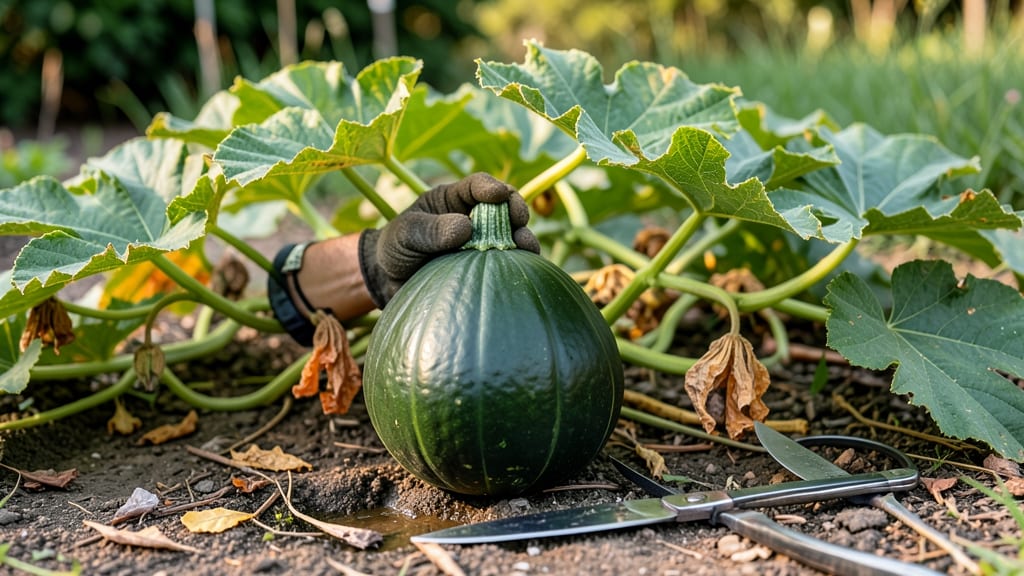
Harvesting acorn squash 🎃 at the right time means the difference between sweet, tender flesh and tough, stringy disappointment. Picking too early means tough, bland flesh—while waiting too long risks overripe, stringy…